
Have you recently undergone a tooth extraction and are worried about the recovery of your gums? Tooth extraction can be a painful procedure, so it’s important to know what steps to take in order for your gums to heal properly. This blog will provide you with information on how to best care for your gums after tooth extraction and will address common questions related to the process.
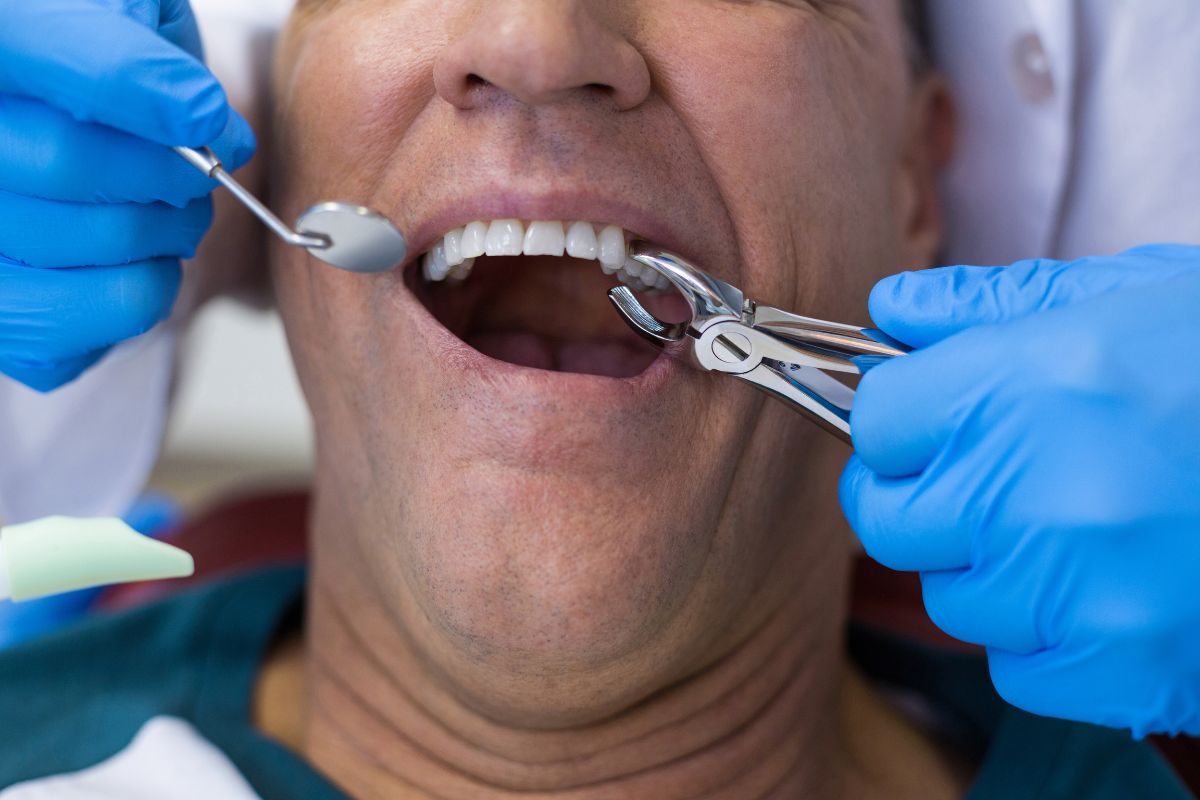
Having one or more teeth extracted can be an uncomfortable experience, but it is sometimes necessary in order to maintain good oral health. Tooth extraction refers to any procedure that removes a tooth from its socket in the jawbone. Tooth extraction can be done for a variety of reasons, from maintaining good oral hygiene to preparing a space for orthodontic treatment. After a tooth is extracted, the gums must go through the healing process in order to recover and prevent infection or further problems.
What Steps Can Be Taken To Help Gums Recover After Tooth Extraction?
The first step to helping gums recover after tooth extractions in Winchester, VA, is to manage the pain and swelling. Ice packs can be applied to the outside of the mouth for 15 minutes at a time to reduce any discomfort or swelling. Over-the-counter medications such as ibuprofen or acetaminophen can also be taken to manage pain.
It is important to keep the area clean after tooth extraction. The dentist may prescribe a mouthwash that should be used twice daily to reduce inflammation and help prevent infection. Avoid touching or picking at the extraction site, as this can cause further irritation and impede healing. If a blood clot has formed at the extraction site, avoid brushing your teeth directly above it to prevent dislodging the clot.
Diet and Nutrition
Eating foods that are easy to chew and swallow is important during the healing process. Soft foods, like yogurt or applesauce, are best for the first few days after the extraction. Avoid eating hard or crunchy foods such as nuts or chips that can irritate the gums. Eating a balanced diet with plenty of fruits and vegetables can also help support gum health during recovery.
Oral Hygiene Practices
It is essential to maintain good oral hygiene during the healing process. Gently brushing your teeth twice a day and flossing once a day can help keep bacteria at bay and reduce inflammation in the gums. Be sure to use a soft-bristled toothbrush as harsh or aggressive brushing can damage the gums.
When To Seek Medical Assistance
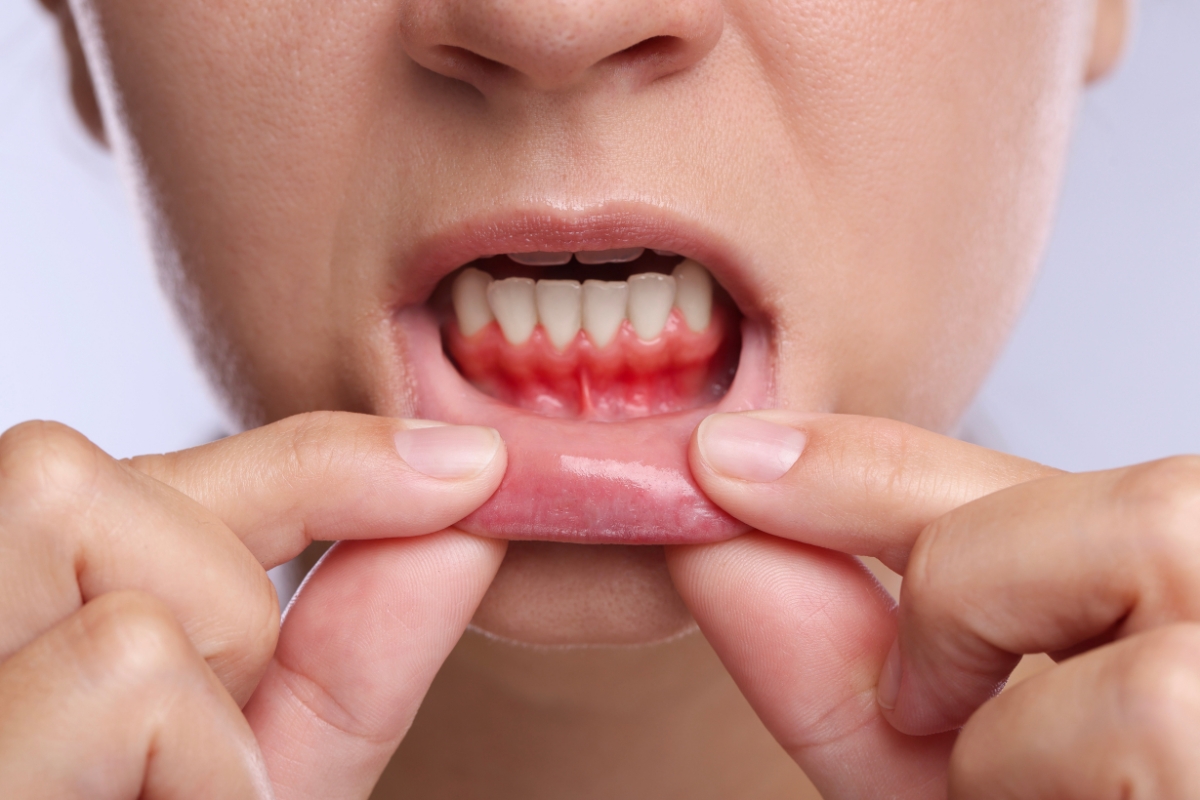
If any of the following symptoms occur after a tooth extraction, contact your dentist immediately: severe pain, pus, or bleeding that won’t stop, fever, difficulty breathing, or swallowing.
Immediate Gum Response After Extraction
Once a tooth is removed, the body quickly forms a protective blood clot in the empty socket. This clot is essential, as it shields the bone and nerves underneath while creating the foundation for new tissue growth. During this stage, avoiding activities that could dislodge the clot—such as smoking, drinking through a straw, or vigorous rinsing—is key to proper healing.
Gum Tissue Regeneration in the First Week
Over the next several days, granulation tissue develops to cover and protect the socket. This soft tissue gradually transforms into new gum tissue, helping close the wound and reduce sensitivity. Swelling and tenderness usually improve within a week, signaling that the gums are actively recovering.
Long-Term Gum and Bone Healing
Although the gums may appear healed on the surface after a couple of weeks, deeper healing continues for several months. The underlying bone remodels and fills in, while the gum tissue becomes stronger and more resilient. This process ensures long-term stability and prepares the area for potential future treatments like dental implants.
Tooth extraction can be an uncomfortable experience, but there are steps you can take to ensure proper gum healing. Eating a balanced diet with soft foods, maintaining good oral hygiene practices, and managing any pain or swelling are all important steps towards recovery. It is also important to be aware of the signs of infection and contact your dentist in Winchester if these symptoms arise.