
Have you ever looked in the mirror and felt like your face looks a little “sunken” or older than you feel inside? Or maybe you’ve noticed changes in your jawline after losing a tooth and wondered if it’s connected?
Here’s a quick question for you—did you know that a single missing tooth can actually start changing your facial structure over time?
It’s not just about the gap in your smile. Tooth loss can quietly affect your jawbone, facial shape, bite strength, and even how youthful your face appears. This is exactly where dental implants step in—not just as a cosmetic fix, but as a structural solution for your entire lower face.
Let’s break down how dental implants can improve both facial appearance and jaw health, and why they’re considered one of the most advanced tooth replacement options in modern dentistry.
Dental Implants Beyond “Tooth Replacement”
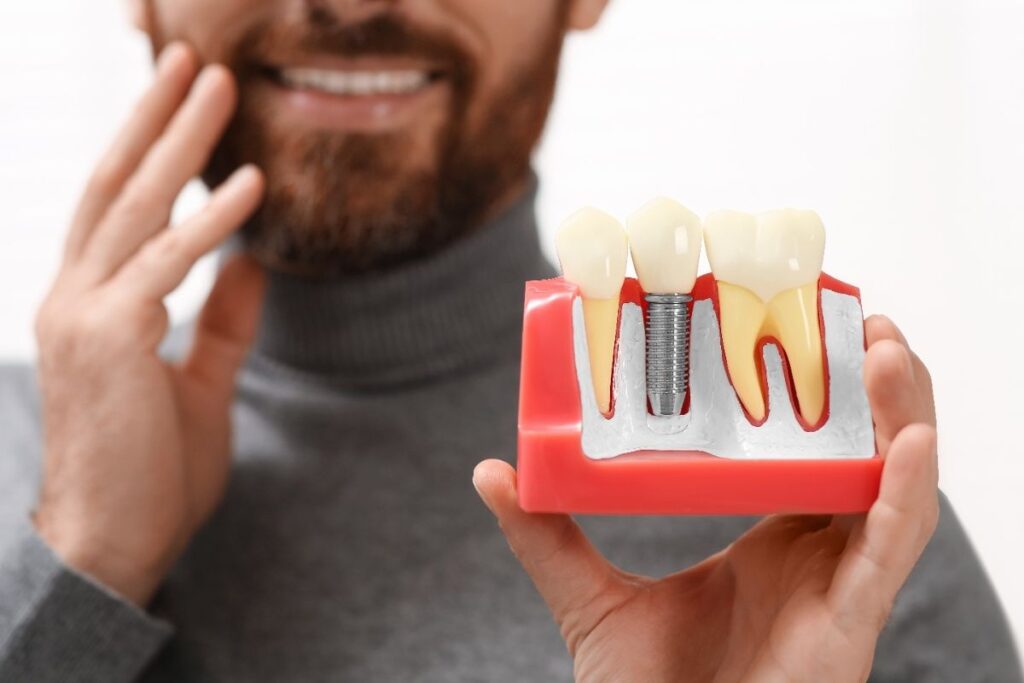
Dental implants in Winchester are designed to replace the entire tooth structure, not just the visible crown. Unlike dentures or bridges, implants act like artificial tooth roots placed directly into the jawbone.
A typical implant system includes:
- Titanium implant post (root replacement)
- Abutment (connector)
- Crown (visible tooth)
Once placed, the implant integrates with the jawbone through a natural process called osseointegration, creating a stable and long-lasting foundation.
According to the American Academy of Implant Dentistry, more than 3 million Americans currently have dental implants, and that number grows by about 500,000 every year.
That growth isn’t just cosmetic—it reflects how implants are now seen as essential for long-term oral and facial health.
How Missing Teeth Change Your Face Over Time
When a tooth is lost, the problem doesn’t stop at the surface. Beneath the gum line, the jawbone begins to weaken because it no longer receives stimulation from chewing.
Bone Loss Begins Early
Research from oral surgery associations shows that jawbone density can shrink significantly within the first 12 months after tooth loss.
This bone loss can lead to:
- Sunken cheeks
- A “collapsed” bite
- Thinner lips
- Deeper wrinkles around the mouth
- Shortened lower facial height
This condition is often called facial collapse, and it’s one of the most visible long-term effects of untreated tooth loss.
Even losing just one tooth can gradually affect facial symmetry if not replaced properly.
Can Dental Implants Restore Facial Appearance?
Yes—and in a very real structural way.
Unlike dentures, which only sit on the gums, dental implants stimulate the jawbone just like natural tooth roots. This stimulation helps prevent bone loss and maintains facial support.
1. Restoring Natural Facial Volume
When implants preserve bone, they help maintain:
- Cheek fullness
- Lip support
- Jaw contour
- Lower face height
This creates a more youthful and balanced facial appearance.
Many patients notice that after implant treatment, they no longer look “sunken” or aged around the mouth area.
2. Preventing Premature Aging
Tooth loss is often associated with aging, but the real issue is bone resorption—not age itself.
Studies in restorative dentistry show that maintaining jawbone stimulation significantly reduces facial structural collapse, a key factor in premature aging.
Dental implants are currently the only tooth replacement option that actively helps prevent this process.
3. Supporting Facial Symmetry
Missing teeth can shift surrounding teeth, leading to:
- Crooked alignment
- Uneven bite
- Facial asymmetry
Implants help stabilize spacing and restore balance across the smile and jawline.
Dental Implants and Jaw Health: The Hidden Connection
While cosmetic improvement is often the first thing people notice, the jaw health benefits are equally important.
1. Preventing Jawbone Deterioration
The jawbone functions like a muscle—it needs stimulation to stay strong.
When teeth are missing:
- Bone density decreases
- Jaw height reduces
- Facial structure weakens
Dental implants act as artificial roots, transmitting chewing pressure into the bone and keeping it active.
This process helps preserve bone mass and structural integrity.
2. Improving Bite Strength and Chewing Efficiency
A healthy bite is essential for digestion and overall health.
Studies suggest that people with missing teeth can lose 30–50% of their chewing efficiency, depending on the number of missing teeth.
Dental implants restore near-natural bite force, allowing patients to:
- Eat harder foods comfortably
- Chew more evenly
- Reduce strain on remaining teeth
This also helps prevent uneven wear on natural teeth.
3. Protecting Remaining Natural Teeth
When a tooth is missing, surrounding teeth may shift into the empty space. This can cause:
- Misalignment
- Bite problems
- Increased risk of decay
- Jaw joint strain (TMJ issues)
Implants fill the gap and prevent unwanted movement, protecting long-term oral stability.
Facial Changes Before and After Dental Implants
Patients often notice visible improvements after implant treatment, including:
Before Implants:
- Sunken cheeks
- Thinner lips
- Older facial appearance
- Weak jawline definition
- Shifting teeth
After Implants:
- Restored facial fullness
- Improved lip support
- More youthful facial contour
- Stronger jaw appearance
- Balanced smile alignment
These changes are not just cosmetic—they are structural improvements supported by bone preservation.
Full Mouth Dental Implants and Facial Restoration
For patients who have lost multiple teeth, full-mouth implant solutions can dramatically transform both appearance and function.
Modern implant-supported systems can:
- Replace all upper or lower teeth
- Restore full chewing ability
- Rebuild facial height
- Improve jaw stability
Clinical data show that dental implants have a success rate of over 95% in properly selected patients, making them among the most predictable restorative treatments in dentistry.
Who Benefits the Most From Dental Implants?
Dental implants may significantly improve facial appearance and jaw health for patients who have:
- One or more missing teeth
- Loose or uncomfortable dentures
- Noticeable facial sagging
- Jawbone loss
- Difficulty chewing
- Shifting or misaligned teeth
Even a single implant can make a noticeable difference in facial support.
Jawbone Preservation: Why Timing Matters
One of the most important factors in implant success is timing.
After tooth loss:
- Bone loss begins within months
- The jaw continues shrinking over time
- Facial changes become more noticeable
According to oral health research, early implant placement can significantly reduce bone resorption and preserve natural facial structure.
This is why dentists often recommend not delaying treatment after extraction.
Are Dental Implants Better Than Dentures for Facial Appearance?
In most cases, yes.
Here’s a simple comparison:
Dentures:
- Rest on gums
- Do not stimulate bone
- May slip or shift
- Can contribute to facial collapse over time
Dental Implants:
- Fuse with Jawbone
- Prevent bone loss
- Provide stable support
- Maintain facial structure
While dentures restore function, implants offer long-term structural benefits that directly impact facial appearance.
The Psychological Impact of Facial Restoration
Facial appearance is closely tied to confidence and self-esteem.
Research published in dental psychology studies shows that patients who restore missing teeth often report:
- Higher self-confidence
- Improved social interaction
- Reduced anxiety about appearance
- Better overall quality of life
A healthy smile influences how people feel in professional and personal settings.
How Long Do Dental Implants Last?
With proper care, dental implants can last decades.
Long-term studies show survival rates of 10–20+ years, with many lasting a lifetime when maintained correctly.
Maintenance includes:
- Regular brushing and flossing
- Dental checkups every 6 months
- Avoiding smoking
- Managing gum health
Because implants integrate with bone, they offer unmatched stability compared to other tooth replacement options.
Conclusion
Dental implants do far more than replace missing teeth—they actively reshape and support your entire lower face. By preserving jawbone structure, maintaining facial volume, and restoring natural bite function, implants play a direct role in both facial aesthetics and oral health.
From preventing sunken cheeks and premature aging to improving chewing strength and jaw stability, the benefits go far beyond appearance alone. Dental implants are currently the only tooth replacement solution that helps maintain bone health while restoring a natural-looking smile.
If you are experiencing tooth loss or noticing changes in your facial structure, dental implants may be one of the most effective long-term solutions for restoring both confidence and jaw health.