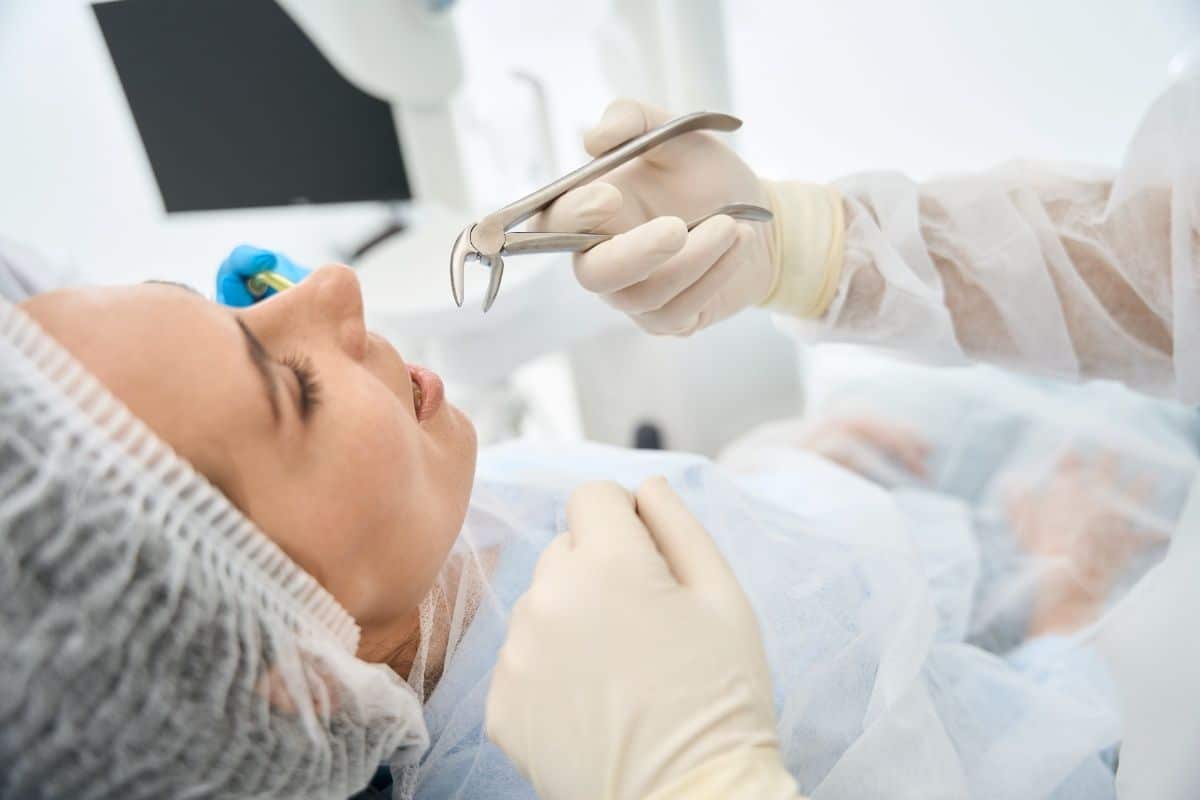
If your dentist has recommended a tooth extraction and you have liver disease, you may be wondering whether the procedure is safe. Can liver disease increase the risk of bleeding? Will it affect healing? Should your dentist know about your medications or recent liver function tests?
These are important questions, and the answer is yes—liver disease can affect how your body responds to dental treatment, including tooth extractions. However, having liver disease does not automatically mean you cannot safely undergo an extraction. With careful planning, a thorough medical evaluation, and close communication between your dentist and physician, most patients can safely receive the dental care they need.
According to the Centers for Disease Control and Prevention (CDC), approximately 4.5 million U.S. adults have been diagnosed with liver disease. In addition, the National Institute of Diabetes and Digestive and Kidney Diseases (NIDDK) reports that chronic liver diseases—including fatty liver disease, viral hepatitis, and cirrhosis—affect millions of Americans and are a significant cause of illness nationwide.
Because the liver plays a vital role in blood clotting, medication metabolism, immune function, and wound healing, dental professionals take extra precautions when treating patients with liver disease. Understanding these considerations can help you prepare for your appointment and reduce the risk of complications.
Why Is the Liver Important for Dental Procedures?
The liver performs more than 500 essential functions in the body. Several of these directly affect oral surgery and tooth extractions.
Healthy liver function helps:
- Produce proteins involved in blood clotting
- Metabolize medications
- Support immune function
- Process nutrients needed for tissue repair
- Help regulate inflammation
When liver function is impaired, the body may not respond to surgery the same way as it does in someone with a healthy liver.
What Is Liver Disease?
Liver disease refers to a group of conditions that damage the liver over time.
Common types include:
- Nonalcoholic fatty liver disease (NAFLD)
- Alcohol-associated liver disease
- Chronic hepatitis B
- Chronic hepatitis C
- Cirrhosis
- Autoimmune hepatitis
- Primary biliary cholangitis
The severity ranges from mild inflammation to advanced liver failure.
Not every patient with liver disease faces the same dental risks. The treatment plan depends on the type and stage of liver disease.
How Can Liver Disease Affect Tooth Extractions?
Although many extractions proceed without complications, liver disease may increase certain risks that require careful planning.
1. Increased Risk of Bleeding
One of the liver’s most important jobs is producing clotting factors.
Advanced liver disease may reduce production of these proteins, making it harder for bleeding to stop after a tooth extraction.
Patients with cirrhosis may also have:
- Low platelet counts (thrombocytopenia)
- Reduced clotting factor production
- Longer bleeding times
Your dentist may request recent laboratory results, such as:
- Platelet count
- INR (International Normalized Ratio)
- Prothrombin Time (PT)
These tests help assess your bleeding risk before surgery.
2. Slower Healing
Healing after a tooth extraction requires healthy blood flow, adequate nutrition, and a normal immune response.
Advanced liver disease may interfere with these processes, potentially leading to:
- Delayed tissue healing
- Increased postoperative discomfort
- Greater risk of infection
Good nutrition and proper postoperative care become especially important for these patients.
3. Higher Risk of Infection
The liver contributes to immune system function.
People with advanced liver disease may have a reduced ability to fight infections.
Although routine tooth extractions do not always require antibiotics, your dentist will determine whether additional precautions are appropriate based on your medical history and the planned procedure.
4. Medication Considerations
The liver processes many medications used during and after dental treatment.
Examples include:
- Certain pain medications
- Some antibiotics
- Sedatives
- Local anesthetics (to varying degrees)
For patients with moderate or advanced liver disease, medication selection and dosage may need to be adjusted.
Never stop or change prescription medications without consulting your healthcare provider.
Common Oral Health Problems Associated with Liver Disease
Liver disease may also contribute to oral health changes that increase the likelihood of needing dental treatment.
These may include:
Dry Mouth
Reduced saliva increases the risk of:
- Cavities
- Gum disease
- Oral infections
- Difficulty wearing dentures
Gum Disease
Chronic inflammation associated with systemic disease may contribute to periodontal problems in some patients.
Untreated gum disease remains one of the leading causes of tooth loss among adults.
Increased Tooth Decay
Dry mouth and certain medications may increase the risk of cavities.
According to the CDC, approximately 90% of adults aged 20–64 have experienced tooth decay, highlighting the importance of preventive dental care.
Oral Bleeding
Patients with advanced liver disease or low platelet counts may notice:
- Bleeding gums
- Easy bruising inside the mouth
- Prolonged bleeding after dental procedures
Any unusual bleeding should be reported to both your dentist and physician.
Why Your Dentist Needs Your Complete Medical History
Before performing an extraction, your dentist will ask detailed questions about your health.
Be sure to mention:
- The type of liver disease you have
- Any history of cirrhosis
- Liver transplant history
- Hepatitis infection
- Current medications
- Blood-thinning medications
- Recent blood test results
- Allergies
- Previous bleeding problems
Providing complete information allows your dental team to create the safest possible treatment plan.
What Tests May Be Needed Before an Extraction?
Depending on your medical history, your dentist may consult your physician or request recent laboratory information.
Common tests include:
- Platelet count
- INR
- PT (Prothrombin Time)
- Liver function tests (LFTs)
- Complete blood count (CBC)
These results help determine whether additional precautions are necessary before the procedure.
Can People with Liver Disease Safely Have Tooth Extractions?
In many cases, yes.
Most patients with mild, stable liver disease can safely undergo routine tooth extractions with appropriate planning.
Patients with advanced cirrhosis, significant bleeding disorders, or severe liver dysfunction may require:
- Medical clearance
- Hospital-based treatment
- Consultation between the dentist and physician
- Additional measures to control bleeding
Every patient should be evaluated individually rather than assuming all liver disease carries the same level of risk.
That Highlights the Importance of Careful Planning
Several national health organizations emphasize the need for individualized care for patients with liver disease.
Key statistics include:
- Approximately 4.5 million U.S. adults have been diagnosed with liver disease (CDC).
- Chronic liver disease is a leading cause of illness and mortality in the United States (NIDDK).
- Nearly 90% of U.S. adults have experienced tooth decay (CDC).
- Gum disease affects approximately 42% of adults aged 30 years and older (CDC).
- Careful assessment of bleeding risk before oral surgery is recommended for patients with advanced liver disease by oral surgery and hepatology guidelines.
These data reinforce the importance of sharing your complete medical history before undergoing a tooth extraction.
What Happens During a Tooth Extraction with Liver Disease?
Once your dentist has reviewed your medical history and, if necessary, consulted with your local Winchester dentist, the tooth extraction procedure is often similar to that of other patients. The difference lies in the additional precautions taken to minimize bleeding, reduce the risk of infection, and promote proper healing.
Depending on the severity of your liver disease, your dental team may:
- Review recent laboratory results (such as platelet count and INR).
- Confirm that your medications are appropriate for the procedure.
- Use techniques that minimize trauma to surrounding tissues.
- Monitor bleeding carefully before you leave the office.
- Schedule follow-up visits to evaluate healing.
For patients with advanced liver disease or cirrhosis, treatment may sometimes be performed in a hospital or specialty oral surgery setting if additional medical support is needed.
How Dentists Help Control Bleeding
Because the liver produces many of the proteins involved in blood clotting, dentists often use additional measures to help control bleeding after an extraction.
These may include:
- Local Pressure: After the tooth is removed, sterile gauze is placed over the extraction site. Gentle, continuous pressure encourages the formation of a stable blood clot.
- Sutures (Stitches): Your dentist or oral surgeon may place stitches to help stabilize the clot and protect the extraction site, especially if the procedure is more complex.
- Hemostatic Materials: In some cases, absorbable materials designed to promote clotting may be placed into the socket to reduce postoperative bleeding.
- Careful Monitoring: Patients with an increased bleeding risk may remain in the office a little longer after the procedure so the dental team can ensure bleeding is well controlled before discharge.
Pain Management After the Extraction
Pain control is an important part of recovery, but liver disease can influence which medications are safest.
Some medications are processed primarily by the liver, and dosing may need to be adjusted based on your overall health. Your dentist will recommend an appropriate pain management plan tailored to your medical history.
Never:
- Increase medication doses on your own.
- Take prescription pain medicine that was prescribed for someone else.
- Combine medications without medical advice.
Always tell your dentist about every prescription medication, over-the-counter medicine, vitamin, and herbal supplement you take.
Recovery Tips for Patients with Liver Disease
Following your dentist’s instructions carefully can reduce complications and support healing.
Bite on Gauze as Directed
Maintaining steady pressure helps the blood clot form and reduces postoperative bleeding.
Rest During the First 24 Hours
Avoid strenuous exercise, heavy lifting, or vigorous physical activity immediately after your extraction.
Eat Soft Foods
Choose foods that are easy to chew, such as:
- Yogurt
- Applesauce
- Mashed potatoes
- Scrambled eggs
- Oatmeal
- Soup (allow it to cool before eating)
- Cottage cheese
- Smoothies eaten with a spoon if advised
Gradually return to your normal diet as healing progresses.
Stay Hydrated
Drinking enough water supports healing and helps reduce dry mouth, which can increase the risk of oral discomfort.
Avoid alcohol, especially if you have liver disease or are taking medications that interact with alcohol.
Avoid Smoking and Tobacco
Smoking delays healing, increases the risk of dry socket, and raises the likelihood of infection.
The Centers for Disease Control and Prevention (CDC) reports that tobacco use remains a major risk factor for oral disease and impaired wound healing.
Maintain Good Oral Hygiene
Continue brushing and flossing your other teeth while avoiding the extraction site until your dentist says it is safe to clean the area normally.
Keeping your mouth clean helps reduce bacterial buildup during healing.
Warning Signs to Watch For
Some discomfort, mild swelling, and light bleeding are expected after a tooth extraction.
However, contact your dentist promptly if you notice:
- Bleeding that does not slow after following postoperative instructions
- Severe or worsening pain after the first few days
- Increasing swelling
- Fever
- Pus or foul-smelling drainage
- Difficulty swallowing
- Difficulty breathing
- Persistent numbness
- Signs of dehydration
These symptoms may indicate complications that require prompt evaluation.
Can Tooth Extractions Be Prevented?
While some extractions are unavoidable, many can be prevented through good oral hygiene and regular dental care.
To lower your risk:
- Brush twice daily with fluoride toothpaste.
- Floss every day.
- Visit your dentist regularly for exams and cleanings.
- Limit sugary foods and beverages.
- Avoid tobacco products.
- Manage chronic medical conditions with your healthcare team.
- Seek treatment early for cavities or gum disease before they become severe.
Preventive care is especially important for people with chronic medical conditions because avoiding complex dental procedures can reduce overall health risks.
Why Choosing a Local Dentist Matters
If you have liver disease, continuity of care is important.
A trusted local dentist can:
- Review your complete medical history.
- Communicate with your physician when needed.
- Monitor changes in your oral health over time.
- Recommend preventive care tailored to your health status.
- Coordinate referrals to an oral and maxillofacial surgeon if your case is more complex.
Working with a dental team familiar with your medical history helps improve safety before, during, and after treatment.
Common Myths About Liver Disease and Tooth Extractions
Myth 1: People with Liver Disease Can Never Have Teeth Removed
Fact: Most patients with stable liver disease can safely undergo tooth extractions when proper precautions are taken.
Myth 2: Every Patient with Liver Disease Will Experience Severe Bleeding
Fact: Bleeding risk depends on the type and severity of liver disease, platelet levels, clotting function, medications, and overall health—not simply the diagnosis itself.
Myth 3: Your Dentist Doesn’t Need to Know About Liver Disease
Fact: Your dentist should always be informed of any liver disease, as it may affect bleeding, medication selection, healing, and treatment planning.
Myth 4: Once the Tooth Is Removed, Follow-Up Care Isn’t Necessary
Fact: Follow-up appointments allow your dentist to monitor healing, manage complications early, and ensure the extraction site is recovering properly.
Conclusion
Liver disease can influence several aspects of tooth extraction, including bleeding, healing, medication selection, and infection risk. Fortunately, most patients with mild or well-managed liver disease can safely undergo dental extractions when their dentist has a complete understanding of their medical history and, when appropriate, works closely with their physician.
The key to a successful outcome is preparation. Sharing your diagnosis, medications, recent laboratory results, and any history of bleeding complications allows your dental team to tailor treatment to your individual needs. Following postoperative instructions carefully—such as protecting the blood clot, maintaining good oral hygiene, eating a soft diet, and attending follow-up visits—can further support healing.
If you have liver disease and believe you may need a tooth extraction, don’t delay seeking care. Early evaluation by a local dentist can often prevent dental infections from worsening and help you receive treatment in the safest way possible.
Frequently Asked Questions
1. Can I safely have a tooth extracted if I have liver disease?
In many cases, yes. Patients with mild or well-controlled liver disease can often undergo tooth extractions safely after an appropriate medical evaluation. Those with advanced liver disease may require additional precautions or medical clearance.
2. Why does liver disease increase the risk of bleeding?
The liver produces many of the proteins responsible for normal blood clotting. Advanced liver disease may reduce clotting factor production or lower platelet counts, making bleeding more difficult to control.
3. Will I need medical clearance before my extraction?
It depends on your health status. If you have cirrhosis, significant liver dysfunction, abnormal clotting tests, or other medical concerns, your dentist may consult your physician before proceeding.
4. What foods should I eat after a tooth extraction?
Soft foods such as yogurt, mashed potatoes, oatmeal, scrambled eggs, soups (cooled), applesauce, and smoothies are generally easier to eat while the extraction site heals. Follow your dentist’s specific dietary recommendations.
5. How can I reduce my chances of needing a tooth extraction?
Brush twice daily with fluoride toothpaste, floss every day, attend regular dental checkups, avoid tobacco, limit sugary foods and beverages, and seek prompt treatment for cavities or gum disease before they become severe.