
Did you recently get a dental implant and start craving crunchy foods again? You may be wondering whether you can bite into an apple, enjoy a handful of nuts, or eat your favorite chips without damaging your new implant.
The short answer is yes, many patients can return to eating hard foods after dental implants have healed—but not immediately after surgery. Timing depends on how your implant was placed, whether your dentist attached a temporary crown, the condition of your jawbone, and your dentist’s instructions.
Eating the wrong foods too soon may put pressure on the surgical site while the implant is still healing. At Shenandoah Family Dentistry – Winchester, Dr. Jared Pell can help patients understand their recovery instructions and when it may be appropriate to resume their usual diet.
If you are planning dental implant treatment or recovering from a recent procedure, here is what you should know about eating hard foods safely.
Why Should You Avoid Hard Foods After Dental Implant Surgery?
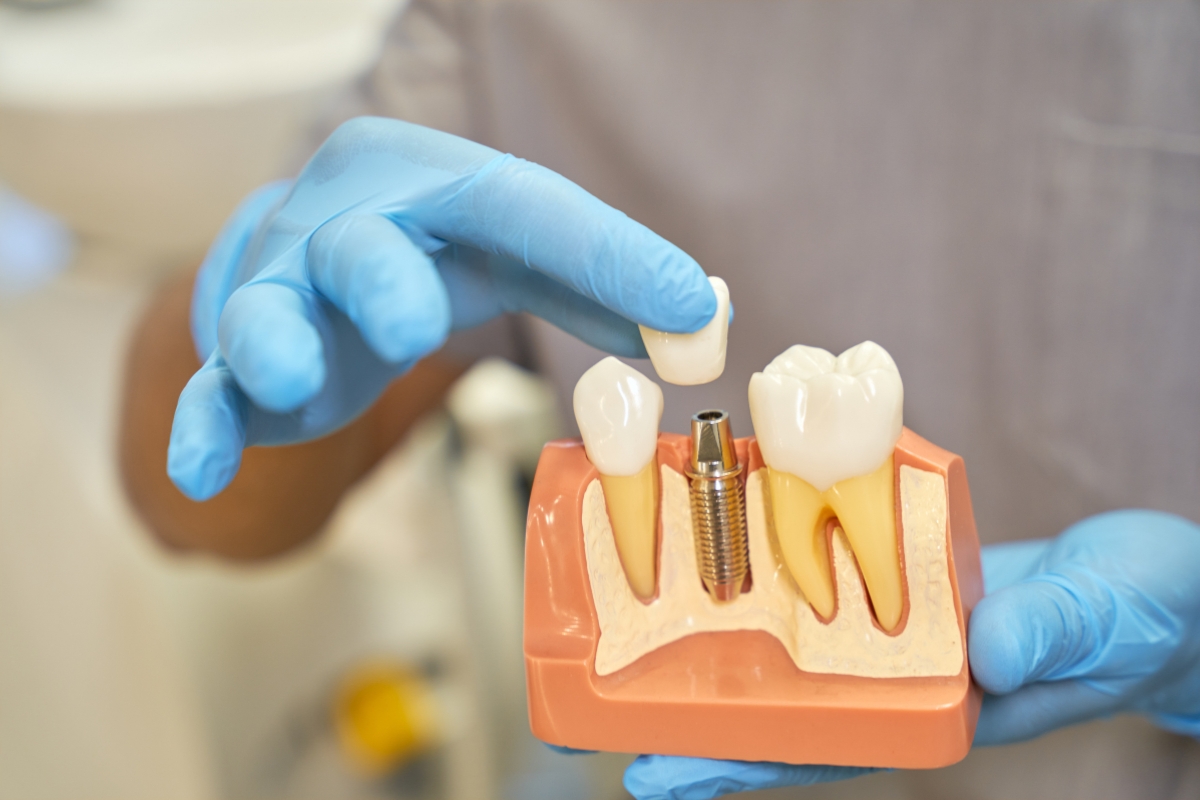
Dental implants replace missing tooth roots with small posts, commonly made from titanium or another implant material. After placement, the implant needs time to integrate with the surrounding jawbone. This biological process is called osseointegration.
During early healing, the implant and surgical tissues are vulnerable to excessive pressure. Biting down on hard or crunchy foods may irritate the wound, disrupt healing, or put unnecessary force on an implant that hasn’t yet become firmly integrated.
The American Dental Association explains that dental implants in Winchester are designed to function like replacement tooth roots, but their success depends on proper placement, healing, and ongoing care.
A 2019 systematic review published in the Journal of Dentistry analyzed 18 studies of contemporary dental implants and reported an estimated 10-year implant survival rate of 96.4% in its primary analysis. A more cautious sensitivity analysis estimated survival at 93.2%, accounting for potential missing follow-up data. These figures describe long-term outcomes across studies—not a guarantee for an individual patient or a reason to disregard recovery instructions.
What Can I Eat Immediately After Dental Implant Surgery?
Start with soft foods and liquids, especially while the anesthesia is wearing off and the surgical site is fresh.
The First 24 Hours
For the first day, choose foods that require little or no chewing. Depending on your dentist’s instructions, suitable options may include:
- Yogurt or pudding.
- Applesauce.
- Smoothies eaten with a spoon.
- Mashed potatoes.
- Soft, lukewarm soup.
- Protein drinks without hard pieces.
Avoid very hot foods and drinks while your mouth is numb. You could accidentally bite your cheek or tongue or burn the affected tissues without realizing it.
Do not chew directly over the implant site. Avoid foods with sharp edges, including chips, pretzels, and hard crackers.
The Winchester Oral Surgery Center’s published postoperative instructions also recommend soft, cool foods initially and advise patients to return to their normal diet as tolerated gradually. Your own implant provider’s instructions should take priority because the procedure and healing conditions may differ.
Days 2 Through 7
As discomfort decreases, you may be able to add foods that require gentle chewing. Examples include scrambled eggs, soft pasta, cooked vegetables, oatmeal, and tender fish.
However, the calendar alone should not determine what you eat. Some patients recover quickly after a straightforward implant placement, while others need longer protection because they had a bone graft, multiple implants, or a more complex procedure.
If chewing causes pain or pressure around the implant, stop and return to softer foods until you can contact your dental office for guidance.
When Can I Eat Hard Foods After Dental Implants?
No single date applies to every patient. Your dentist will consider the surgical site, the implant’s stability, and whether the implant has a temporary or permanent crown.
After the Initial Healing Period
Many patients begin gradually returning to firmer foods after the first week or two, depending on their recovery and their provider’s instructions. This doesn’t mean every patient can safely eat nuts, raw carrots, or hard candy at that point.
The gum tissue may feel better before the implant has completed integration with the bone. So, feeling comfortable isn’t always enough to confirm the implant can handle full chewing forces.
During Osseointegration
Implant integration often takes several months. In many cases, it takes about 3 to 6 months, but the time varies with bone quality, implant location, and whether additional procedures were performed.
Your dentist may recommend a temporary restoration, a healing cap, or a specific chewing restriction during this stage. Some implants are restored earlier under carefully selected conditions, while others need a longer healing period before receiving their final crown.
Don’t assume a temporary crown can handle the same foods as a fully restored, healed implant. Ask your dentist when the implant can safely bear normal biting forces.
Which Hard Foods Should I Avoid?
Certain foods can create substantial pressure or have sharp edges that may irritate the surgical area.
Nuts and Seeds
Whole almonds, peanuts, walnuts, and hard seeds can require strong biting pressure. Small pieces may also become lodged around healing gums.
Choose softer alternatives during recovery, such as smooth nut butter, if your dentist approves.
Raw Carrots and Hard Apples
Raw carrots and whole apples can put considerable force on front teeth or implant crowns when bitten directly.
During recovery, cook carrots until soft, cut apples into small pieces, or choose softer fruit. Even after healing, patients with multiple implants or certain restorations may be advised to avoid biting extremely hard foods directly with their implant-supported teeth.
Ice, Hard Candy, and Popcorn Kernels
Chewing ice, hard candy, or unpopped popcorn kernels is not recommended—even for many people with fully healed implants.
These items can damage natural teeth and dental restorations, including implant crowns. Popcorn hulls may also become trapped beneath the gumline and cause irritation.
Tough or Chewy Foods
Steak, jerky, and very chewy bread may require repeated, forceful chewing. During early recovery, choose tender meats, soft fish, or other foods you can cut into small pieces and chew comfortably.
Can Eating Hard Foods Damage a Dental Implant?
Yes, eating hard foods too early may interfere with healing. However, the type of damage depends on the treatment stage and the force applied.
Potential concerns include:
- Irritation or injury to the surgical wound.
- Increased pain or swelling.
- Excessive pressure on an implant that is still integrating.
- Damage to a temporary crown or other restoration.
- Cracking or chipping of the final implant crown from extreme biting forces.
If an implant feels loose, causes persistent pain, or becomes increasingly uncomfortable, it needs professional evaluation. Do not try to test its stability by biting down on hard foods.
Also, distinguish the implant post from the crown attached to it. The implant post integrates with the bone, while the crown is the visible chewing surface. A crown can chip or loosen even when the underlying implant remains stable.
How Can I Return to a Normal Diet Safely?
A gradual approach is generally better than switching from soft foods directly to very hard or crunchy meals.
Start With Firmer but Tender Foods
Once your dentist allows it, try foods such as soft bread, cooked vegetables, tender chicken, or pasta. Cut food into manageable pieces and chew slowly.
If you feel discomfort, don’t force yourself to keep going. Return to softer foods and contact your dental office if the pain persists.
Chew Away From the Surgical Site
If your dentist has advised protecting one side of your mouth, chew on the opposite side when appropriate. Avoid putting direct pressure on the implant site until you receive clearance.
Maintain Good Oral Hygiene
Food particles and plaque can accumulate around healing tissues and implant restorations. Follow your dentist’s instructions for brushing, rinsing, and cleaning.
After healing, dental implants still require regular care. They cannot develop cavities like natural teeth, but the surrounding gums and bone can become inflamed or infected.
Attend Follow-Up Appointments
Follow-up visits let your dentist evaluate the surgical site and confirm healing is progressing as expected.
Dr. Jared Pell at Shenandoah Family Dentistry – Winchester can review your recovery, discuss dietary restrictions, and advise you when to progress to firmer foods based on your individual treatment.
What if I Accidentally Eat Something Hard?
If you accidentally bite into something hard, don’t panic. One bite does not automatically mean your implant has failed.
Stop chewing on that side and pay attention to how the area feels. If you develop persistent pain, swelling, bleeding, a loose restoration, or a change in how your teeth come together, contact your dental office.
Do not repeatedly bite down to check whether the implant is stable. A dental professional can examine the area and determine whether any treatment is necessary.
Dental Implant Recovery and Food Choices in Winchester
Recovering from dental implant treatment involves more than waiting for the gums to heal. The implant must also integrate with the jawbone, and your restoration must withstand chewing forces.
Patients in Winchester, Virginia, with questions about eating hard foods after dental implants can discuss recovery with Shenandoah Family Dentistry – Winchester. Dr. Jared Pell can review your treatment plan, explain any restrictions, and help you understand when it may be appropriate to return to your usual eating habits.
Conclusion
You can usually enjoy hard foods again after dental implants, but the timing matters. In the first days after surgery, soft foods help protect the surgical site. As healing progresses, firmer foods can be introduced gradually when your dentist confirms that it is appropriate.
Avoid chewing ice, hard candy, and other extremely hard foods even after recovery, since these can damage implant crowns and natural teeth. Follow your personalized instructions, attend follow-up appointments, and contact your dentist if you experience persistent pain, swelling, or looseness.
Visit our dental practice in Winchester. Book now to schedule your appointment with our team.
Frequently Asked Questions
1. What dental services does a family dentist provide?
Our family dentist may provide preventive exams, professional cleanings, fillings, crowns, gum disease treatment, and other general dental services. Available treatments depend on the practice and your individual needs.
2. How often should I visit the dentist?
Many patients have dental exams and cleanings every six months. Patients with gum disease, dental implants, or other oral health concerns may need more frequent visits based on their dentist’s recommendations.
3. Are dental implants permanent?
Dental implants are designed as a long-term solution for missing teeth, but they are not guaranteed to last forever. Their longevity depends on factors such as bone health, oral hygiene, smoking, bite forces, and regular professional care.
4. What should I do if my dental implant hurts?
Contact our dentist if pain is severe, persistent, or worsening. If pain is accompanied by swelling, fever, bleeding, or a loose implant or crown, have it evaluated promptly.
5. How can I maintain good oral health after dental implant treatment?
Brush twice daily with fluoride toothpaste, clean between your teeth and around your implant as instructed, avoid chewing extremely hard objects, and attend regular dental checkups and implant maintenance visits.