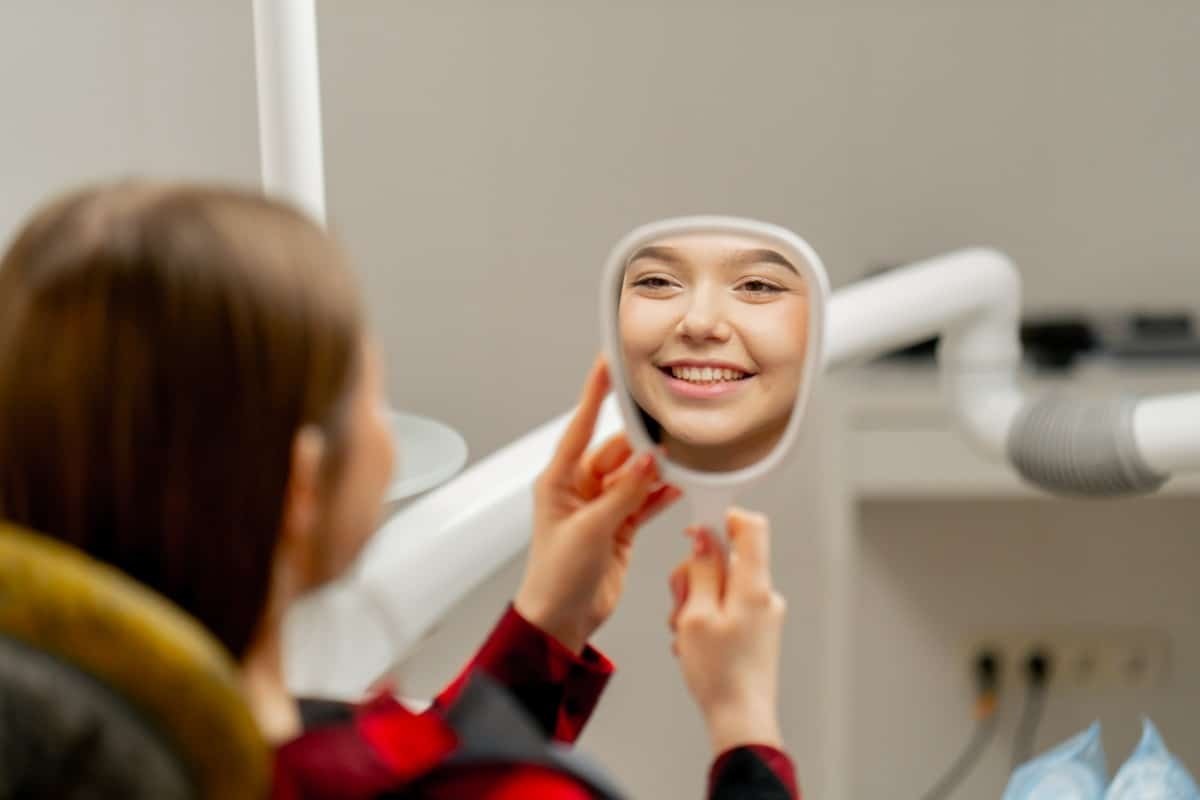

Have you recently invested in a brighter, straighter, or more attractive smile through cosmetic dentistry? Whether you’ve had teeth whitening, dental veneers, bonding, Invisalign treatment, or a smile makeover, what you eat afterward can significantly impact your results.
Many patients focus on the procedure itself but overlook one important factor: diet. The foods and beverages you consume during the first few days and weeks after cosmetic dental treatment can affect healing, stain restorations, increase sensitivity, and even shorten the lifespan of your investment.
Considering that Americans spend billions of dollars annually on cosmetic dental procedures, protecting those results is essential. At the same time, oral health remains a major concern nationwide. According to the CDC, approximately 1 in 5 adults aged 20–64 has at least one untreated cavity, underscoring the importance of maintaining oral health after cosmetic treatment.
If you’ve recently visited a local cosmetic dentist, this guide explains exactly which foods to eat, which foods to avoid, and how to keep your new smile looking its best.
Why Diet Matters After Cosmetic Dentistry
Cosmetic dental procedures often leave teeth and gums temporarily more sensitive than usual.
For example:
- Teeth whitening can temporarily increase enamel porosity.
- Veneers and bonding require strong adhesion between materials and teeth.
- Gum contouring and smile makeover procedures involve tissue healing.
- Invisalign attachments and retainers require careful maintenance.
Eating the wrong foods too soon can lead to:
- Tooth sensitivity
- Staining
- Gum irritation
- Damage to restorations
- Delayed healing
Choosing the right foods helps support recovery while protecting your cosmetic results.
Best Foods To Eat After Cosmetic Dentistry
1. Soft Protein-Rich Foods
Protein is essential for tissue repair and recovery.
Excellent choices include:
- Scrambled eggs
- Baked fish
- Skinless chicken
- Turkey
- Tofu
- Greek yogurt
- Cottage cheese
Protein provides amino acids that help rebuild tissues and support healing after dental procedures.
Why It Helps
- Supports gum recovery
- Promotes tissue regeneration
- Easy to chew
- Reduces irritation
2. Yogurt and Dairy Products
Plain yogurt, milk, and cheese are excellent post-treatment foods.
Benefits include:
- Calcium for strong teeth
- Protein for healing
- Low chewing pressure
- Cooling effect on sensitive teeth
Choose plain or low-sugar options whenever possible.
3. Mashed Potatoes and Soft Vegetables
Soft vegetables provide essential nutrients without stressing teeth or gums.
Good options include:
- Mashed potatoes
- Steamed cauliflower
- Cooked carrots
- Soft squash
- Sweet potatoes
These foods are rich in vitamins while remaining gentle on sensitive mouths.
4. Bananas and Other Light-Colored Fruits
After teeth whitening or veneer placement, dentists often recommend lighter-colored foods.
Safe fruit options include:
- Bananas
- Pears
- Applesauce
- Peeled apples
- Melons
These fruits are less likely to stain cosmetic dental work compared to darker fruits.
5. Oatmeal and Soft Whole Grains
Whole grains provide fiber and nutrients while being easy to chew.
Consider:
- Oatmeal
- Cream of wheat
- Soft rice
- Quinoa
- Whole-grain pasta
These foods offer sustained energy during recovery.
6. Water
Water is arguably the most important beverage after cosmetic dentistry.
Benefits include:
- Washing away bacteria
- Reducing staining risk
- Supporting healing
- Preventing dry mouth
Fluoridated tap water can also help strengthen teeth and reduce the risk of cavities.
Foods To Avoid After Cosmetic Dentistry
1. Coffee and Tea
Coffee remains one of the most common causes of tooth staining.
After teeth whitening or bonding procedures, enamel may temporarily absorb pigments more easily.
Avoid:
- Coffee
- Espresso
- Black tea
- Green tea
Many dentists recommend waiting at least 24–48 hours after whitening before consuming these beverages.
2. Red Wine
Red wine contains:
- Dark pigments
- Tannins
- Acids
This combination can quickly stain whitened teeth recently and affect cosmetic restorations.
3. Dark-Colored Fruits and Berries
Although healthy, deeply pigmented fruits can stain cosmetic dental work.
Limit:
- Blueberries
- Blackberries
- Cherries
- Cranberries
- Pomegranates
Their natural pigments can adhere to enamel and restorations.
4. Tomato-Based Sauces
Tomato products combine strong color with high acidity.
Avoid:
- Marinara sauce
- Pizza sauce
- Salsa
- Ketchup
These foods may increase the risk of staining while irritating sensitive teeth.
5. Citrus Fruits and Acidic Foods
Highly acidic foods can temporarily weaken enamel and increase sensitivity.
Limit:
- Lemons
- Limes
- Grapefruits
- Oranges
- Vinegar-based dressings
Acid exposure can also contribute to enamel erosion over time.
6. Hard Foods
Hard foods can damage newly placed restorations.
Avoid:
- Ice
- Hard candies
- Popcorn kernels
- Nuts
- Crunchy chips
These foods may chip veneers, crack bonding material, or place excessive pressure on dental work.
7. Sticky Foods
Sticky foods can pull on restorations and increase plaque accumulation.
Examples include:
- Caramel
- Taffy
- Gummy candies
- Chewy granola bars
Avoiding these foods helps preserve cosmetic results longer.
8. Sugary Foods and Drinks
According to the Centers for Disease Control and Prevention (CDC), cavities remain one of the most common oral health conditions in America, affecting millions of adults. Excess sugar fuels cavity-causing bacteria and can compromise long-term dental health.
Limit:
- Soda
- Energy drinks
- Candy
- Sweet pastries
- Sugary coffee beverages
The “White Diet” Rule After Teeth Whitening
Many cosmetic dentists recommend a temporary “white diet” after professional whitening.
The rule is simple:
If it stains a white shirt, it can probably stain your teeth.
Recommended foods include:
- White fish
- Chicken breast
- Rice
- Cauliflower
- Yogurt
- Bananas
- White cheese
- Potatoes
Avoid strongly colored foods for the first 48 hours after whitening treatment.
How Long Should You Follow Dietary Restrictions?
The answer depends on your treatment.
Teeth Whitening
- Strict dietary precautions: 24–48 hours
- Best results: Up to 72 hours
Veneers
- Avoid hard foods for several days
- Long-term avoidance of ice chewing
Dental Bonding
- Avoid staining foods for 48 hours
- Minimize coffee and tobacco use
Gum Contouring
- Soft foods for several days
- Avoid spicy and acidic foods until healing occurs
Always follow your local cosmetic dentist’s recommendations.
Tips for Maintaining Cosmetic Dentistry Results
To maximize the lifespan of your treatment:
- Brush twice daily
- Floss every day
- Drink plenty of water
- Use a straw for dark beverages
- Schedule professional cleanings
- Avoid smoking and tobacco use
- Wear a nightguard if you grind your teeth
Preventive care protects both natural teeth and cosmetic restorations.
Why Local Follow-Up Care Matters
Choosing an experienced local cosmetic dentist provides ongoing support after treatment.
Regular follow-up visits help:
- Monitor healing
- Remove stains
- Check restorations
- Detect problems early
- Extend the life of cosmetic dental work
Routine maintenance is one of the most effective ways to protect your investment.
Conclusion
Cosmetic dentistry can dramatically improve the appearance of your smile, but maintaining those results requires smart dietary choices. Eating soft, nutritious, low-staining foods while avoiding dark, acidic, hard, and sugary items can protect your teeth and restorations during the healing process.
Whether you’ve undergone teeth whitening, veneers, bonding, or a complete smile makeover, following your dentist’s dietary recommendations can help you enjoy a brighter, healthier smile for years to come. If you have questions about post-treatment care, contact your local cosmetic dentist in Winchester for personalized guidance.