

Are you one of those people who dread the thought of going to the dentist? The anxiety, the fear, and that dreaded feeling in the pit of your stomach? Well, fret no more! Say goodbye to stress and discomfort with a sedation dentist. In this blog post, we will explore the wonderful world of stress-free dentistry and how embracing comfort can make all the difference in your dental experience. So sit back, relax, and get ready to discover a whole new level of relaxation at your next dental appointment!
What is a Sedation Dentist?
Sedation dentistry is a type of dentistry that uses medications to make you feel comfortable during your dental appointment. This can help reduce anxiety and promote relaxation, which can lead to better dental care.
There are several types of sedation dentists, each with its advantages. General anesthetics like propofol (Diprivan) and etomidate (Amidate) allow the dentist to perform most procedures without you feeling any pain or discomfort. Oral sedatives like midazolam (Versed) and diazepam (Valium) work by calming the brain and body, leading to deep sleep.
A combination of different types of sedation may be necessary for optimal treatment. When choosing a sedation dentist, be sure to ask about their approach to sedation dentistry and which medications they use.
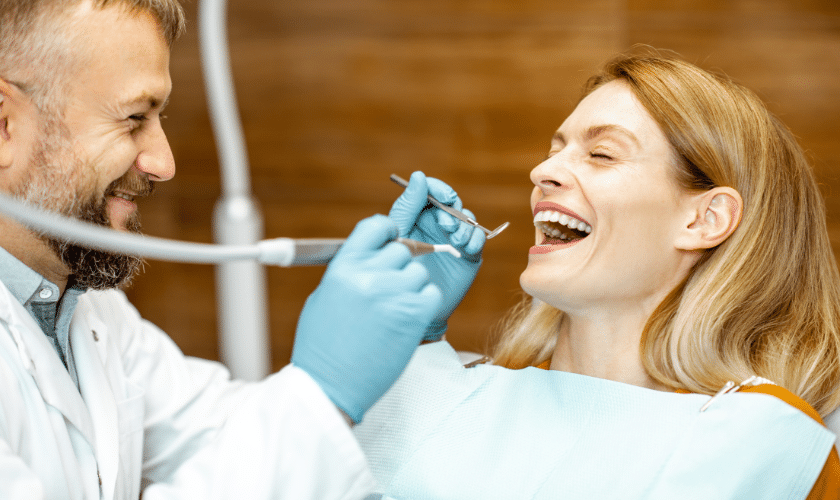
Types of Sedation Dentists
When you are looking for a dentist who can provide you with stress-free dentistry, sedation dentistry may be the perfect choice. There are several types of sedation dentists, each with a specific approach to providing a tranquil dental experience.
Anesthesiologists use general anesthetics, which put you to sleep and block all pain signals from your brain. This type of sedation is ideal for patients who don’t want any pain medication during their dental appointment.
Dentists who use local anesthetics numb only part of the tooth or gingiva (the lining of your mouth). This type of sedation is suited for patients who want some pain relief but don’t want to be completely asleep.
Neuromuscular blockers (NMBs), like Propofol and atracurium, lower the activity of the dystonic muscles in your body. These medications work by blocking nerve impulses so that you can’t move any part of your body except your eyes and face. They are particularly effective at calming dental patients down because they prevent lip smacking and gum chewing.
General anesthetics like Propofol and atracurium cause deep sleep and lack certain benefits associated with other types of sedations such as numbness or relaxation of the jaw muscles − this means that some postoperative care (like brushing) may still be necessary.
How Does Sedation Work?
Anesthesia is a medication that can put you to sleep and numb the pain receptors in your mouth. This allows our dentist to do more work without you feeling any pain! There are different types of anesthetics, but most sedatives work by slowing down your breathing. When we numb the area around your teeth, it makes it less likely that you’ll feel any pain when we remove plaque or take out a tooth.
Benefits of Sedation Dentistry
There are many benefits to sedation dentistry, making it a preferred choice for some patients. One of the most obvious benefits is that it can make treatment more comfortable for both the dentist and the patient. Additionally, sedation dentistry can help reduce anxiety in patients before and during dental treatments. There are several potential long-term dental health benefits to taking medication to peacefully sleep through dental procedures.
When to Seek a Sedation Dentist
When you’re seeking dental care, there are a few things to keep in mind. One of those is comfort. Dentists who use sedation dentistry understand that some patients need relief from anxiety and pain before visits to the dentist can be truly stress-free.
There are many types of sedation dentistry available, based on the severity of the situation. For Mild Anxiety Patients: Non-drowsy nitrous oxide (laughing gas) is often used as an outpatient treatment for mild anxiety and dental fear. Patients experience a sense of relaxation and serenity during treatment, with no memory of the visit once it’s over. Many people find that this type of treatment is sufficient for them, without requiring any other forms of dental care in the future.
For Severe Fear or Panic Attacks: If you experience severe panic attacks or fear when visiting the dentist, sedation dentistry may be an option for you. This type of treatment involves the administration of general anesthetics such as propofol or fentanyl along with sedatives like ambenonium chloride or midazolam. These medications work by blocking nerve impulses and causing deep sleep. In most cases, patients have no memory of their visit once it’s over; they simply wake up feeling refreshed and restored.
When it comes to dental visits, some people are terrified of the dentist. Others dread the thought of getting their teeth cleaned because they don’t want to feel any type of sedation. Sedation dentistry is a great option for those who want a stress-free dental experience without having to worry about anesthesia. Most dental procedures that require sedation can be completely performed while you are under general anesthetic sleep or intravenous sedation. This makes our office one of the most comfortable places for you to get your teeth cleaned and/or root canal treatment. Let us help you choose the dentist that’s right for you and let us reassure you that a visit to our practice will be as comfortable as possible.