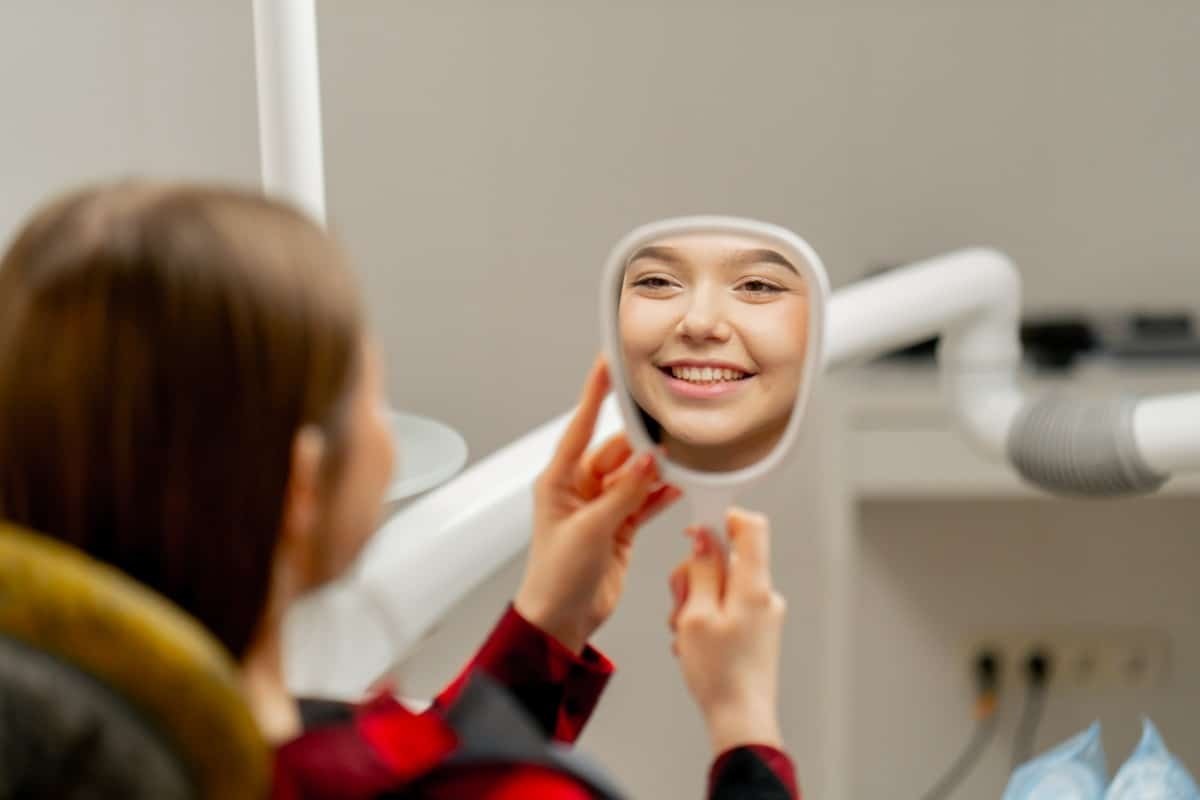

Have you ever caught your reflection and found yourself focusing on a chipped edge or teeth that seem to be getting shorter over time? Maybe you’ve even caught yourself covering your mouth when you laugh. If so, you’re definitely not alone.
In fact, U.S. consumer dental spending reached a staggering $194 billion by May 2025, an 8% spike from pre-pandemic levels, as more Americans prioritize the health and aesthetics of their smiles. Whether it’s from years of “night grinding” (bruxism) or just the natural wear and tear of life, uneven and worn teeth are incredibly common. But here’s the exciting part: modern cosmetic dentistry isn’t just for Hollywood stars anymore. It’s a precision-based science that can literally rebuild your smile from the ground up.
So, let’s dive into how these treatments work, what they cost in 2026, and why a “smile makeover” might be the best investment you make this year.
Why Do Teeth Get Worn or Uneven?
Before we talk about the “fix,” it’s important to understand the “why.” Teeth don’t just change shape overnight. Common culprits include:
- Bruxism: Chronic grinding or clenching, often during sleep.
- Acid Erosion: Frequent consumption of acidic drinks or certain medical conditions.
- Alignment Issues: When teeth don’t meet correctly, some undergo more “work” than others, leading to uneven wear.
- Trauma: Small chips from sports or accidental impacts that worsen over time.
Repairing these isn’t just about looking better—it’s about function. Cosmetic dentistry often restores a proper bite and reduces jaw muscle tension, which can help prevent long-term TMJ disorders and headaches.
Top Solutions for Uneven and Worn Teeth
In 2026, the technology behind smile restoration is more advanced than ever, utilizing AI-driven diagnostics and 3D printing to ensure a perfect fit. Here are the most effective ways to fix your smile:
1. Porcelain Veneers
- Thin shells placed over teeth
- Instantly improve shape, size, and symmetry
- Ideal for moderate unevenness
Veneers are among the most popular cosmetic treatments, widely used to create a uniform smile.
2. Dental Bonding
- Tooth-colored resin is applied and shaped
- Great for small irregularities
- Completed in one visit
3. Cosmetic Contouring
- Minor reshaping of enamel
- Best for subtle, uneven edges
4. Clear Aligners (e.g., Invisalign)
- Straighten teeth gradually
- Address underlying alignment issues
Cosmetic dentistry can, in some cases, even “mask” mild misalignment without braces.
Can Cosmetic Dentistry Fix Worn Teeth?
Absolutely—In Most Cases
Worn teeth can often be restored both aesthetically and functionally.
Effective Treatments:
1. Veneers
- Restore lost length and shape
- Create a youthful appearance
2. Dental Crowns
- Cover and protect severely worn teeth
- Restore strength and structure
3. Composite Bonding
- Rebuild worn edges
- Affordable and minimally invasive
4. Full Smile Reconstruction
- Combination of treatments for advanced wear
Studies show that cosmetic treatments such as bonding, veneers, and crowns can rebuild worn tooth structure and restore function effectively.
Functional Benefits (It’s Not Just Cosmetic)
Cosmetic dentistry doesn’t just improve looks—it can also:
- Improve bite alignment
- Reduce tooth sensitivity
- Prevent further enamel wear
- Enhance oral hygiene
In many cases, treatments like aligners or crowns help correct underlying causes, not just symptoms.
What Cosmetic Dentistry Can’t Fix
While powerful, cosmetic dentistry has limits:
- Severe decay or infection requires restorative treatment first
- Missing teeth may need implants or bridges
- Major bite issues may need orthodontics
Cosmetic procedures enhance existing teeth—they don’t replace foundational dental care.
Are You a Good Candidate?
You may benefit from cosmetic dentistry if you have:
- Uneven or misshapen teeth
- Worn or shortened teeth
- Minor alignment issues
- Chips, cracks, or gaps
However, your dentist will first evaluate:
- Gum health
- Bite alignment
- Tooth structure
Long-Term Results: What to Expect
With proper care:
- Veneers can last 10–15 years or more
- Crowns can last 10–20 years
- Bonding typically lasts 3–10 years
Maintenance includes:
- Good oral hygiene
- Avoiding grinding (night guards if needed)
- Regular dental visits
Conclusion
So, can cosmetic dentistry fix uneven or worn teeth? Yes—often effectively, safely, and with long-lasting results.
From quick fixes like bonding to transformative treatments like veneers and crowns, modern cosmetic dentistry offers tailored solutions for nearly every smile concern.
However, the best results come from a personalized treatment plan that addresses both appearance and function. If your teeth are uneven or worn, consulting a qualified cosmetic dentist in Winchester can help you explore the most effective and realistic options.
Frequently Asked Questions
1. Can uneven teeth be fixed without braces?
Yes, mild unevenness can often be corrected with veneers or bonding, though aligners may be better for structural issues.
2. Are worn teeth a serious problem?
They can be. Beyond aesthetics, worn teeth may lead to sensitivity, bite issues, and further damage if untreated.
3. How long do cosmetic dental procedures last?
Most treatments last between 5–15 years, depending on the procedure and care.
4. Is cosmetic dentistry painful?
Most procedures are minimally invasive and involve little to no discomfort, especially with modern techniques.
5. What is the fastest way to fix uneven teeth?
Dental bonding or veneers are typically the quickest solutions, often completed in one or two visits.