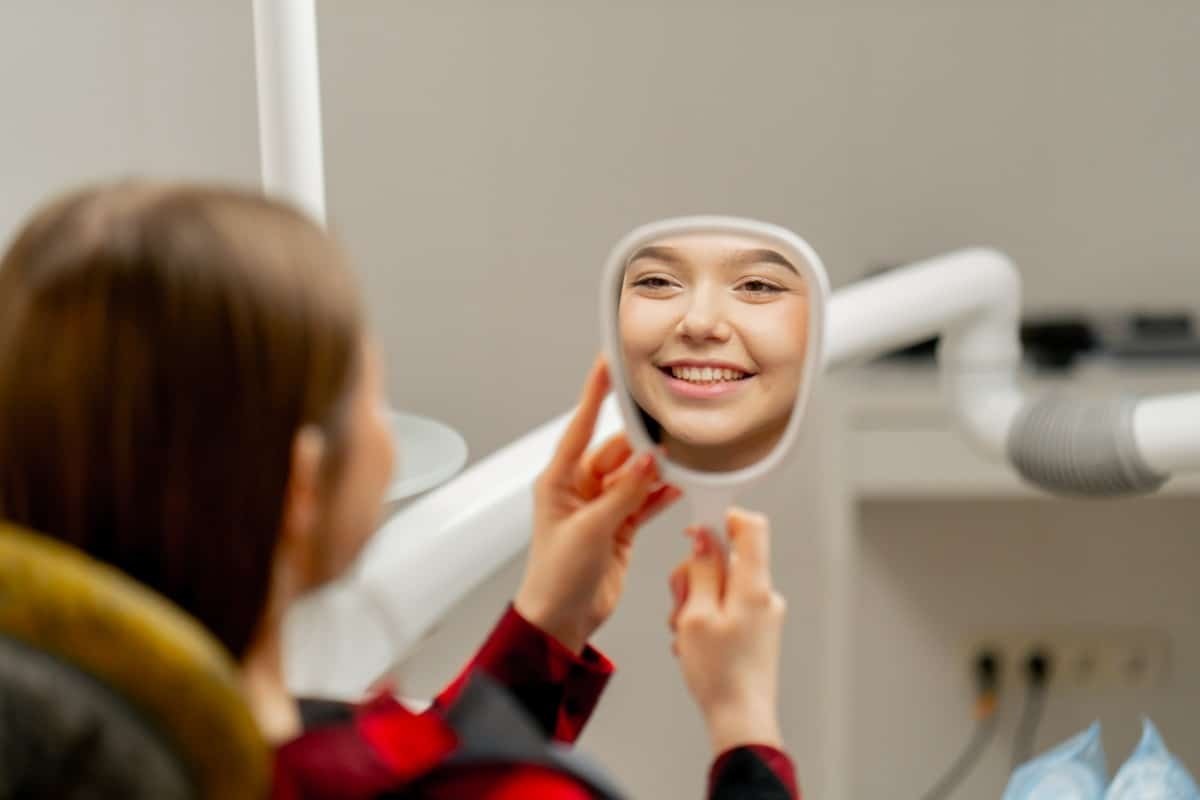

In today’s image-conscious world, your smile is often your first introduction. Whether it’s a job interview, a first date, or a quick selfie for social media, the appearance of your teeth can significantly impact your self-confidence and how others perceive you.
If you’ve ever found yourself covering your mouth when you laugh or tilting your head to hide a chipped tooth, you aren’t alone. In fact, a recent 2026 industry analysis shows that the U.S. cosmetic dentistry market is projected to reach nearly $20 billion this year, driven by a massive shift in how we prioritize dental aesthetics.
But with so many options—from 60-minute whitening sessions to full-mouth porcelain transformations—where do you even begin? This guide breaks down the most effective cosmetic dentistry options available today to help you achieve the smile you’ve always wanted.
Why Cosmetic Dentistry Is Booming in the U.S.
Cosmetic dentistry isn’t just for Hollywood anymore — it’s mainstream. Americans increasingly view their smile as a critical part of personal and professional presence. From first dates to job interviews and Zoom meetings, a confident smile matters.
Here’s what the data shows:
The U.S. cosmetic dentistry market is growing rapidly.
In 2024, cosmetic dentistry services alone were valued at about $4.25 billion — and forecasts project nearly $8.9 billion by 2034. That reflects strong demand and steady year-over-year growth.
About 19% of U.S. adults have had professional teeth whitening, and younger patients are much more likely to pursue it.
Approximately 17% of Americans have undergone some form of cosmetic dental procedure.
These figures underscore a larger truth: more people than ever want a confident, camera-ready smile — and cosmetic dentistry is the tool helping them achieve it.
Professional Teeth Whitening: The “Gateway” Treatment
Teeth whitening remains the most popular cosmetic dental procedure in the United States. According to the American Academy of Cosmetic Dentistry (AACD), when people are asked what they would most like to improve about their smile, the most common answer is whiter, brighter teeth.
Why Go Professional?
While over-the-counter strips and gels are a $2.6 billion industry in the U.S. alone, they often lack the potency of professional-grade treatments. In-office whitening can brighten your teeth by 5 to 8 shades in a single visit, often taking less than an hour.
- Best For: Surface stains from coffee, tea, wine, or tobacco.
- Stats to Know: Approximately 67% of American adults have tried teeth whitening.
Porcelain Veneers: The Ultimate Smile Makeover
If you’re looking for a “Hollywood” transformation, porcelain veneers are the gold standard. These are wafer-thin, custom-made shells of tooth-colored porcelain designed to cover the front surface of teeth.
The Durability Factor
Veneers are more than just a quick fix; they are a long-term investment. Data indicate that porcelain veneers have a 94.4% five-year survival rate and often last 10 to 20 years with proper care.
- Best For: Severe discoloration, gaps, slightly crooked teeth, or worn-down enamel.
- Modern Tech: Many clinics now use CAD/CAM technology to create digital impressions, meaning more comfortable fits and faster turnaround times.
Dental Bonding: The Budget-Friendly Fix
For minor imperfections, dental bonding is often the “volume leader” in cosmetic clinics. This procedure involves applying a tooth-colored composite resin to the tooth and hardening it with a special light.
Speed and Accessibility
Dental bonding accounts for roughly 54% of all aesthetic treatments in some regions because it is non-invasive and can usually be completed in a single visit.
- Best For: Small chips, cracks, or closing minor gaps.
- Note: While cost-effective, bonding material is more prone to staining and chipping than porcelain.
Clear Aligners (Invisalign)
Say goodbye to the “metal mouth” of the past. Clear aligners have revolutionized orthodontics for adults. Align Technology recently reached 18 million Invisalign patients, with adults now accounting for 70% of new cases.
Why They’re Trending
Beyond aesthetics, clear aligners improve oral health by making teeth easier to clean. Digital planning tools can now reduce orthodontic treatment time by an average of 2.76 months compared with traditional methods.
- Best For: Mild to moderate crowding or spacing issues.
Dental Implants: Restoring Form and Function
While often considered restorative, dental implants are a crucial part of cosmetic dentistry when replacing missing teeth. They are the only tooth-replacement option that actually preserves the natural bone under the tooth.
Success and Growth
The use of dental implants among U.S. adults is rising by 14% annually. With a success rate of 90-95%, they provide a permanent solution that looks and feels like a natural tooth.
- Best For: Replacing one or more missing teeth with a permanent, root-supported solution.
Gum Contouring & Cosmetic Gum Surgery
Smile aesthetics aren’t just about teeth — gum shape matters too.
Whether you have a “gummy smile” or uneven gum lines, reshaping that gum tissue can reveal more of your natural teeth and improve balance.
While less commonly talked about, gum contouring is gaining traction as part of comprehensive smile makeovers.
Technology Is Driving Better, Faster Results
Cosmetic dentistry today is far more advanced than it was just a decade ago:
- CAD/CAM digital design: Many offices now offer same-day restorations using computer-aided design and computer-aided manufacturing (CAM).
- AI and digital smile planning: Software can simulate your post-treatment smile before you begin.
- 3D printing: Custom prosthetics like crowns, veneers, and aligners can be fabricated faster, more accurately, and more affordably than ever.
These technologies not only improve cosmetic outcomes but also help dentists personalize every treatment to your unique dental structure and smile goals.
The Psychological Impact of a New Smile
It isn’t just about looking good in photos. Research consistently links cosmetic dental improvements to a higher quality of life. A 2025 study found that patient-reported “self-esteem scores” jumped from an average of 18.2 to 24.6 on the Rosenberg Scale following treatment.
Furthermore, 90% of patients reported feeling more secure in social interactions after receiving veneers.
Conclusion
Transforming your smile is no longer a luxury reserved for the red carpet. With the integration of AI diagnostics, 3D printing, and more affordable materials, there is a cosmetic solution for almost every budget and dental concern. Whether you start with a simple whitening session or invest in a full set of veneers, the goal is a healthier, more confident you.
Remember, every smile is unique. The first step is always a consultation with a qualified cosmetic dentist in Winchester who can create a digital “Smile Design” tailored to your facial structure.
Frequently Asked Questions
1. Do cosmetic dental procedures hurt?
Most modern cosmetic dentistry treatments involve minimal discomfort, and dentists use anesthesia and sedation when needed. Recovery varies by procedure, but many people return to normal activities quickly.
2. Are cosmetic procedures covered by dental insurance?
In most cases, cosmetic treatments such as whitening, veneers, or bonding are not covered by standard dental insurance because they’re considered elective. Some insurers may offer partial allowances, so check your plan.
3. How long do cosmetic dental results last?
It depends on the procedure. Whitening results can last months to a year; veneers often last 10–15+ years; implants can last decades with good care.
4. Is everyone a candidate for cosmetic dentistry?
Good oral health is the first prerequisite. Gum disease, decay, or infections should be treated before cosmetic work — talk to your dentist for a personalized assessment.
5. How do I choose the right cosmetic dentist?
Look for licensed professionals with strong credentials, positive patient reviews, before-and-after galleries, and clear treatment plans. Don’t be afraid to ask questions or seek second opinions.