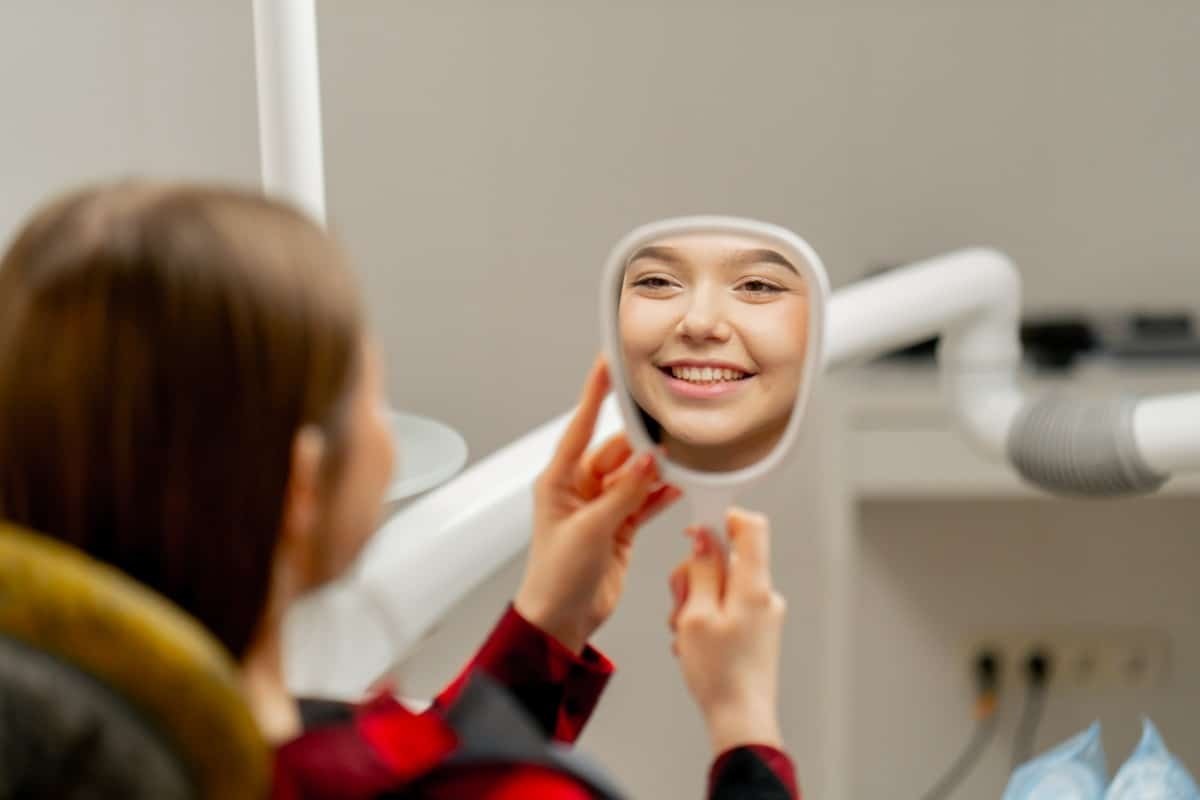

Have you ever caught your reflection and quickly looked away because of a chipped tooth or a stubborn stain that just won’t budge? You aren’t alone. In fact, you’re part of a massive movement. Did you know that the global cosmetic dentistry market is projected to reach $35.7 billion by 2026?
Whether it was a sports injury, a crunchy piece of popcorn gone wrong, or just the natural wear and tear of time, damaged teeth can affect more than just your bite—they can dim your confidence. But here’s the good news: modern dentistry isn’t just about “fixing” things; it’s about transformation. Today, we’re diving deep into how cosmetic dentistry serves as the ultimate “reset button” for your smile.
The Rising Demand for Perfection: By the Numbers
Americans are prioritizing their smiles more than ever before. North America alone is estimated to account for 36% of global market growth in this sector through 2028. This surge isn’t just about vanity; it’s about the psychological impact of a healthy-looking mouth.
Recent studies highlight a powerful link between dental aesthetics and mental well-being:
- Self-Esteem Boost: On the Rosenberg Self-Esteem Scale, patients’ average scores jumped from 18.2 before treatment to 24.6 afterward.
- Social Confidence: Approximately 90% of patients report feeling more secure in social interactions after receiving porcelain veneers.
- Satisfaction Gap: Interestingly, while many seek treatment, a survey of 1,500 people found that about 22.5% remain dissatisfied with their current smile, often citing tooth color and alignment as the main culprits.
Understanding Cosmetic Dentistry
So what exactly is cosmetic dentistry? Unlike basic dental care (such as cleanings or cavity fillings), a qualified dentist in Winchester focuses on improving the appearance of your teeth and smile. But today, many cosmetic procedures also have functional benefits — think strengthening weakened teeth or restoring bite alignment.
Common cosmetic procedures include:
- Teeth Whitening – removing stains and brightening smiles
- Veneers – thin shells bonded to teeth to cover chips, cracks, etc.
- Dental Crowns – full-coverage “caps” that restore shape and function
- Bonding – composite resin to repair minor damage
- Orthodontics – braces or clear aligners for straightening
- Gum contouring – reshaping the gum line for better proportions
These treatments vary widely in invasiveness and purpose — from quick aesthetic tweaks to comprehensive restorative care.
How Cosmetic Dentistry Treats Damaged Teeth
Tooth Repair and Strengthening
Dental bonding and veneers are frequently recommended for chipped, cracked, or worn teeth.
- Bonding uses tooth-colored composite resin to fill in minor damage. It’s often completed in a single visit and can last several years.
- Veneers are porcelain shells that cover the front of a tooth, effectively hiding imperfections like stains, gaps, and chips.
Unlike fillings, which focus primarily on decay, bonding and veneers give you strength and aesthetics — preserving what’s left of your tooth while making it look whole again.
Restoring Broken or Weakened Teeth
For more compromised teeth, dental crowns are a common solution. Crowns completely cover a damaged tooth, restoring:
- its natural shape
- chewing function
- strength
- protection from future fractures
Crowns are particularly helpful after procedures like root canals or when decay has left a large filling unstable.
Realigning and Protecting Your Bite
Sometimes dental damage isn’t just about one tooth — it’s about how all your teeth work together. Misalignment or gaps can:
- lead to uneven wear
- cause jaw strain
- make teeth harder to clean
- increase risk for decay and gum disease
Orthodontic options like braces or clear aligners (such as Invisalign) help evenly redistribute bite forces. Clear options are now more popular than ever among adults who want both functionality and discretion during treatment.
Why Cosmetic Dentistry Is More Than Just Looks
A Boost in Confidence and Mental Well–Being
Studies have shown that an unattractive smile can impact confidence, career prospects, and social interactions. In one survey, 74% of adults believed that a poor smile could hurt career success.
While cosmetic dentistry isn’t a guarantee for personal success, improving your smile often leads to increased self-esteem and a better quality of life.
Functional Improvements That Matter
Restorative cosmetic treatments can lead to:
- better chewing and speaking ability
- easier oral hygiene
- protection against further damage
- reduced risk for jaw pain or TMJ issues
For example, fixing minor chips early with bonding or veneers can prevent those tiny cracks from becoming fractures requiring extractions.
Market Trends: Cosmetic Dentistry in the U.S.
The cosmetic dentistry market is booming. Here’s what trends and data tell us:
- The cosmetic dentistry segment in the U.S. dental services market has steadily grown, with revenue climbing from about $14.7 billion in 2022 to over $17 billion in 2024.
- Demand for cosmetic procedures has risen dramatically — teeth whitening alone accounts for roughly 74% of all cosmetic dental treatments.
- The use of veneers has increased by over 90% in the past decade.
- Overall, cosmetic dentistry procedures in the U.S. have grown by around 70% since 2000.
These statistics highlight a broader cultural and medical shift — Americans are not just treating dental pain but actively investing in smile enhancement and oral health optimization.
Safety, Budget, and What to Expect
Before signing up for cosmetic treatment, it’s important to understand:
Safety
Cosmetic dentistry procedures in Winchester are generally safe when performed by licensed professionals. However, there’s an emerging trend of unlicensed providers on social media offering cheap veneers and other services. These practices can be dangerous and are illegal in all U.S. states — often leading to serious complications like nerve damage or tooth loss. Always check licensure and board certifications before proceeding with any dental work.
Budget
Cosmetic dental treatments are often not covered by standard dental insurance. Costs vary widely:
While initial costs can be significant, many patients view cosmetic dentistry as a long-term investment in health and confidence. Our dental office offers financing plans — worth asking about during your consultation.
Longevity of Results
Results can last for years with good oral hygiene:
- Veneers: often 10–15 years or more
- Crowns: often 10–15 years or more
- Bonding: 3–10 years
- Whitening: varies based on habits and maintenance
Regular check-ups and cleanings help extend the life of cosmetic restorations.
Conclusion
Cosmetic dentistry isn’t just a luxury — it’s a powerful tool for fixing damaged teeth, restoring oral health, and boosting confidence. With nearly every adult in the U.S. experiencing some form of tooth decay or dental issue, cosmetic treatments offer solutions that are both functional and aesthetic. From quick fixes like whitening to life-changing restorations like veneers and crowns, modern dentistry offers options tailored to your needs. And as the cosmetic dental market continues to grow, more Americans than ever are discovering that a healthy, beautiful smile is worth investing in — not just for looks, but for wellness and quality of life.
Frequently Asked Questions
1. Is cosmetic dentistry only for appearance?
No. While cosmetic dentistry improves aesthetics, many procedures, such as crowns, veneers, and orthodontics, also strengthen teeth, restore function, and help prevent further damage.
2. How long do cosmetic dental treatments last?
It varies: veneers and crowns often last 10–15 years or more with proper care, bonding lasts 3–10 years, and whitening maintenance depends on habits and follow-ups.
3. Will insurance cover cosmetic dentistry?
Most standard dental insurance plans don’t cover purely cosmetic procedures, but some treatments with functional benefits may qualify for partial coverage.
4. Are cosmetic dental procedures painful?
Modern techniques and anesthesia make cosmetic procedures quite tolerable. Many treatments are minimally invasive and focus on patient comfort.
5. How do I choose a qualified cosmetic dentist?
Look for a licensed dentist, check reviews, ask about training in cosmetic procedures, and always confirm that treatments are performed in a regulated clinical setting — not by unlicensed providers.