
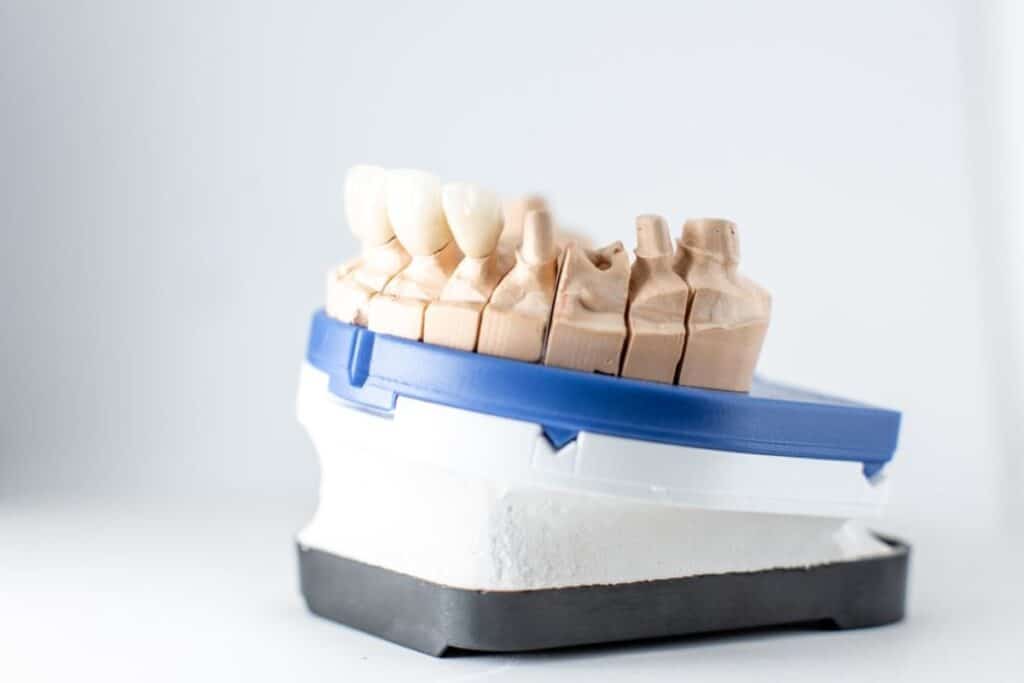
Dental crowns are a common and effective solution to protect and restore damaged teeth. If you have received dental crowns in Winchester, you likely appreciate how they help preserve weak or fractured teeth while enhancing your smile. However, like any dental restoration, crowns are not permanent and may require replacement over time. Knowing when to replace a dental crown can prevent complications and maintain oral health.
In this article, we will explain the key signs that indicate it is time to replace your dental crown, how long crowns typically last, and what you can expect during the replacement process.
Understanding The Lifespan Of Dental Crowns
Dental crowns are designed to be durable and long-lasting. On average, a dental crown can last between 5 and 15 years, depending on several factors such as the material used, oral hygiene habits, and bite pressure. Porcelain-fused-to-metal, ceramic, and gold crowns have different longevity and wear characteristics.
Good oral hygiene, avoiding habits like teeth grinding or chewing hard objects, and regular dental visits can significantly extend the lifespan of your crown. However, even with proper care, crowns can weaken, chip, or loosen over time, necessitating replacement.
Common Signs Indicating Dental Crown Replacement Is Needed
- Discomfort Or Sensitivity : Ongoing sensitivity to hot, cold, or sweet foods often indicates decay or nerve irritation beneath the crown. This means the crown might no longer protect the tooth properly. Prompt dental evaluation is necessary to prevent further damage or infection.
- Visible Damage: Cracks Or Chips : Crowns can chip or crack from biting hard foods or accidental impact. Even minor fractures create openings for bacteria to reach the underlying tooth, increasing the risk of decay or infection. Damaged crowns should be repaired or replaced promptly.
- Looseness Or Crown Falling Off : A crown that feels loose or falls off entirely needs urgent dental care. This may be caused by weakened cement or decay under the crown. Leaving a crown loose exposes the tooth to damage, infection, and potential tooth loss if untreated.
- Gum Irritation Or Recession Around The Crown : Red, swollen, or receding gums around a crown suggest irritation or gum disease, often due to a poor crown fit or plaque buildup. Gum recession exposes sensitive roots, increasing sensitivity and risk of infection, so timely treatment is essential.
The Role Of Routine Dental Exams In Crown Maintenance
Routine dental check-ups are essential for monitoring the condition of your dental crowns. During exams, your Winchester dentist will check for signs of wear, damage, decay, or gum problems surrounding the crown. Early detection allows for less invasive treatments, such as crown repair or adjustment, potentially delaying the need for replacement. Regular professional cleanings also help maintain the health of the supporting tooth and surrounding gums, further prolonging the life of your crown.
Prioritize Timely Replacement Of Dental Crowns In Winchester To Protect Your Smile
Dental crowns are invaluable assets in dental rehabilitation, but like all prosthetics, they require vigilance and eventual renewal. Recognizing subtle signs of wear or damage and maintaining regular dental visits are crucial to preserving oral health and avoiding complex procedures.
For those with dental crowns in Winchester, partnering with a knowledgeable local dentist ensures your restorations receive expert monitoring and care, ultimately safeguarding your teeth’s strength, function, and beauty for decades. If you suspect your crown may be compromised or has been years since your last dental evaluation, do not delay. Schedule a consultation today and proactively protect your smile’s longevity.