
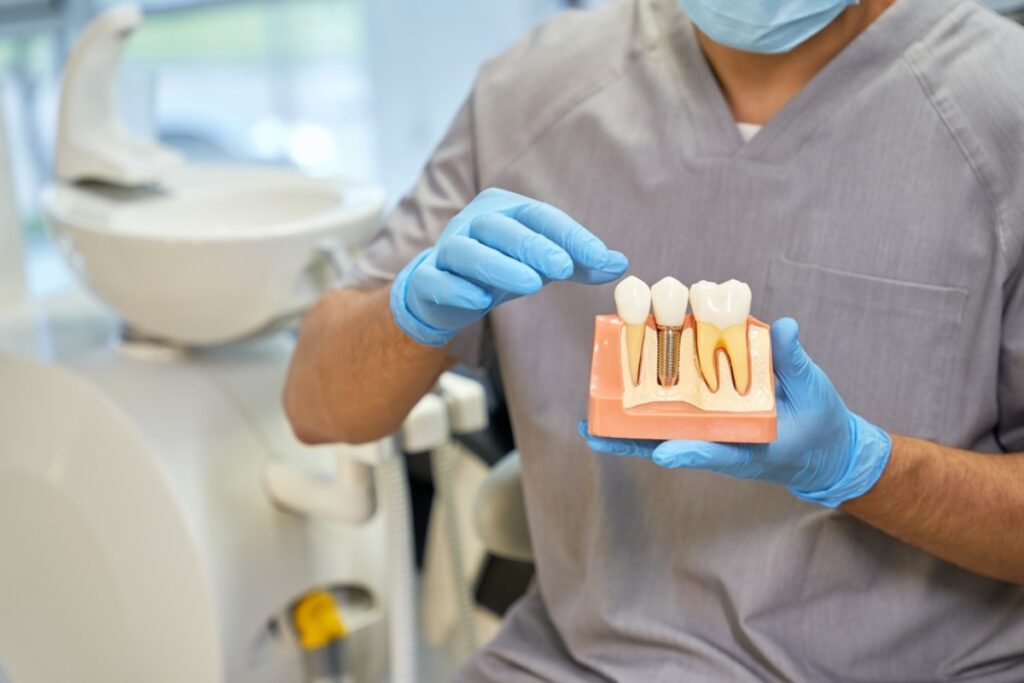
Undergoing dental implant surgery not only restores a smile’s function and aesthetics but also promotes jawbone health. The procedure involves placing artificial roots made of titanium or other biocompatible materials inside your jawbone. Are you aware of the factors that may influence the success of this tooth replacement or the osseointegration? Let’s explore the journey to a healthier, more confident smile.
Please read this blog to learn what contributes to surgical failure and how to avoid it to achieve a complete smile. You will also gain insights into strategies to ensure the optimal survival rate of your dental implants in Winchester.
Surgical Complications
During the placement of tiny titanium posts, adjacent anatomical structures may be affected. This may include accidental perforation of the maxillary sinus, inferior alveolar canal, or gum tissue. If the maxillary sinus is involved, sinus issues or infections could arise later. However, a caring and compassionate implant dentist is crucial in minimizing these complications through careful planning before the surgery, ensuring your safety and comfort.
Infection Concerns
Infection at the site of dental prosthetic placement is a severe complication. Symptoms may include swelling, inflammation, or abscess formation, which may even spread to other body parts if neglected.
While antibiotics may enhance success rates, they do not eliminate the possibility of post-operative infection. However, good oral hygiene and proper aftercare can significantly reduce the risk of implant failure, giving you the power to contribute to the success of your dental implants.
Bone Health Considerations
Bone loss around the surgery site can compromise implant stability. You may need additional treatment, like bone grafting, if the deterioration is significant. In some cases, bone loss between natural teeth and the implant can lead to small gaps known as black triangles. Visit a dentist to evaluate your condition and improve your smile aesthetics and oral hygiene.
Mechanical Complications
Structural issues, such as the breakage of the implant or abutment screw, can pose significant challenges. You need strong surrounding bone to support the new replacement tooth if the artificial root fractures.
Abutment fractures, on the other hand, are more manageable since they do not interfere with osseointegration. Sometimes, replacing the abutment and crown resolves the issue without additional dental prosthetic complications.
Integration Failure
The implant becomes more substantial and stable as the surrounding bone gradually integrates. This process, known as osseointegration, is crucial for the success of your dental implant. Successful osseointegration is necessary to strengthen the implant-bone bonding, further stabilizing your smile. The chance of failure increases when an implant isn’t stable enough to support new teeth.
Preventive antibiotics are often recommended to patients before surgery to increase the success of prosthetic teeth. However, since drugs like corticosteroids and risedronate raise the chance of dental implant failure, discuss with your Winchester dentist about safe alternatives.
When is a Dental Implant Not Suggested?
You might witness higher complications with dental prosthetics due to the following factors.
- Extensive cavities that are untreated
- Gum disease in progress
- Unmanaged diabetes
- Inadequate bone density to support artificial teeth
Furthermore, smoking might also drastically lower the success of dental implants. Patients who want permanent tooth replacements are often advised to give up smoking before undergoing the procedure.
We at Shenandoah Family Dentistry – Winchester replace lost teeth with careful preparation and attention to detail. Book your implant consultation today to achieve a complete smile.