

Dental implants are a modern dentistry marvel, providing a lifelike solution for those with missing teeth. However, to ensure the success and longevity of your dental implants, what you eat plays a significant role. This guide will delve into the dos and don’ts of a diet tailored for dental implant care. Whether you’ve recently had dental implants placed or are considering this treatment in Winchester, understanding the right foods and habits can make all the difference.
What To Eat With Dental Implants: Your Smile’s Best Friends
Protein-Rich Foods
Incorporating lean proteins like chicken, fish, and beans into your diet is essential for several reasons. Protein aids in tissue repair, a crucial aspect of healing around dental implants. When your implants are first placed, your body goes through a healing process where the implant fuses with your jawbone. Protein-rich foods provide the necessary building blocks for this process, ensuring the implant’s stability and longevity. Protein also helps maintain the jawbone’s integrity over time, providing stable support for dental implants.
Dairy Delights
Low-fat dairy products such as yogurt, milk, and cheese are rich in calcium, a mineral vital in dental implant success. Calcium promotes strong jawbones, essential for supporting your dental implants in Winchester. Adequate calcium intake not only ensures the durability of your implant but also helps prevent bone loss around the implant site. This means that enjoying dairy delights can contribute to your dental implants’ long-term health and stability.
Fruits and Veggies
Fruits and vegetables are high in vitamins and antioxidants, making them valuable additions to your dental implant diet. These nutrients boost your immune system, particularly during the initial healing phase after implant placement. By strengthening your immune system, fruits and vegetables reduce the risk of infections around your dental implants. Moreover, their natural crunchiness can help clean your teeth, promote oral hygiene, and prevent issues that could compromise the success of your implants. In summary, the vitamins and antioxidants found in fruits and vegetables support your overall health and the well-being of your dental implants.
Whole Grains
Adding whole grains like brown rice and quinoa to your diet provides essential fiber and numerous benefits. Fiber aids digestion, ensuring that your body can efficiently absorb nutrients for optimal healing and overall health. Additionally, whole grains provide sustained energy, helping you feel your best as you recover from dental implant surgery. This energy supports your body’s healing processes and enables you to maintain a healthy diet, which is vital for dental implant success.
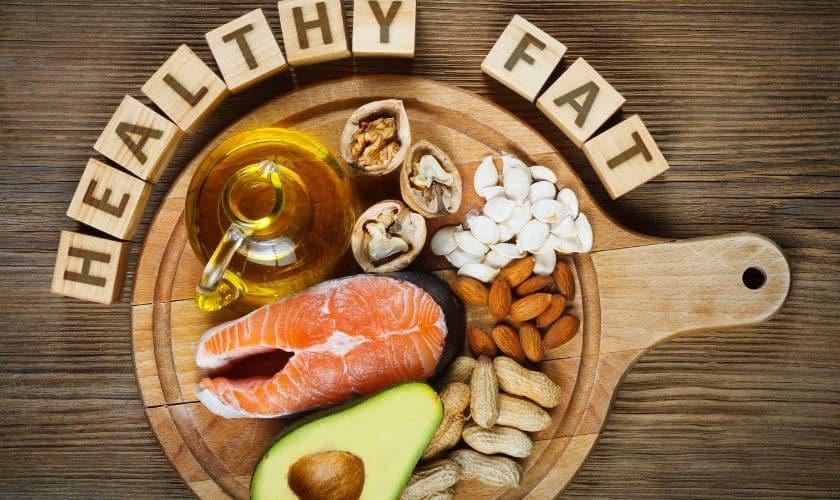
Healthy Fats
Foods like avocados, nuts, and olive oil contain healthy fats, including omega-3 fatty acids. These fats offer multiple advantages for dental implant patients. Firstly, they help reduce inflammation, essential for a smooth healing process. Inflammation can slow recovery and potentially lead to complications, so incorporating healthy fats can be beneficial. Moreover, omega-3 fatty acids, found in fatty fish like salmon, have been linked to improved gum health and reduced inflammation in the oral cavity. This can help protect your dental implants from potential issues, making these foods valuable additions to your diet.
Water
Staying well-hydrated is essential for overall health, but it is particularly important for dental implant patients. Water promotes general well-being and helps prevent dry mouth, which can affect dental implants. When dry, your mouth becomes more susceptible to infections and discomfort. Proper hydration is crucial for maintaining adequate saliva production, which plays a role in keeping your mouth healthy and your dental implants in optimal condition. In summary, staying hydrated with water supports your overall health and contributes to your dental implants’ success and comfort.
What To Avoid With Dental Implants: Potential Pitfalls
- Hard & Crunchy Foods: Avoid foods like popcorn, hard candies, and ice cubes, which can exert excessive force on your dental implants and natural teeth. Such force can lead to implant complications and damage to surrounding teeth.
- Sticky and sugary Treats can lead to plaque buildup, increasing the risk of gum disease, which can jeopardize your implants. Excess sugar also feeds harmful bacteria in your mouth, potentially leading to infection.
- Excessive Alcohol: Alcohol can dry out your mouth, increasing the likelihood of infections and discomfort. Additionally, it can hinder the body’s natural healing processes.
- Carbonated Drinks: The acids in soda can erode tooth enamel and potentially harm dental implants. To protect your oral health, opt for water or sugar-free, non-acidic beverages.
- Smoking & Chewing Tobacco: Tobacco use is a significant risk factor for implant failure. It impairs healing and can lead to gum disease. Quitting tobacco is crucial for the success and longevity of your dental implants.
Maintaining a diet supporting dental implants is not just about preserving your investment; it’s about ensuring a confident smile and oral health. Remember, the key to success lies in a balanced diet that promotes healing and prevents complications. If you’re considering dental implants in Winchester, consult Shenandoah Family Dentistry, a leading dental office in Winchester, for expert care and personalized treatment options. They can provide customized guidance on diet and post-implant care. By following these dietary guidelines, you can significantly enhance the success and longevity of your dental implants, allowing you to enjoy the benefits of a complete, natural-looking smile for years to come. Remember, a healthy diet isn’t just good for your body; it’s a recipe for a lifetime of smiles.