Are you tired of waking up exhausted and struggling through the day? If so, you’re not alone. Sleep apnea affects millions of people worldwide, disrupting their sleep and leaving them feeling drained. But fear not! In this blog post, we’ll dive into the world of sleep apnea and provide you with valuable tips and strategies to reclaim your restful nights. From lifestyle changes to effective treatments, get ready to embark on a journey towards better sleep and wake up refreshed like never before!
What is Sleep Apnea?
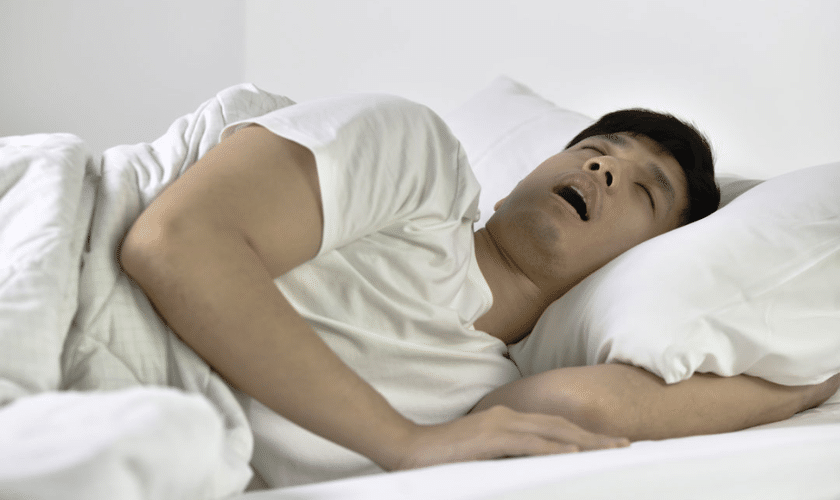
Sleep apnea is a sleep disorder in which breathing is interrupted frequently during sleep. People with sleep apnea often experience difficulty breathing, daytime fatigue, and reduced concentration. Sleep apnea can be mild or severe, and can lead to serious health complications if not treated.
There are several ways to diagnose sleep apnea: a doctor may ask you about your sleeping habits and symptoms; polysomnography (PSG) may be used to measure your brain activity while you are asleep; or an overnight oximetry study may be performed to measure your oxygen levels while you are asleep. If you have sleep apnea, treatment options include using a CPAP machine or nasal continuous positive airway pressure (NCPAP).
Causes of Sleep Apnea
There are many possible causes of sleep apnea, but the most common ones include obesity, severe nose breathing, and enlarged tonsils or adenoids. Other causes can include Angelman Syndrome, Rett syndrome, loud snoring, and GERD (gastroesophageal reflux disease).
The following tips will help you get a better night’s sleep:
- If you’re experiencing sleep apnea in Winchester and find yourself overweight, losing weight can be a crucial step in managing this condition effectively. Sleep apnea is commonly linked to obesity, as excess weight can put a strain on your body during sleep, making breathing more challenging. This strain increases the likelihood of your airway becoming blocked, leading to frequent disruptions in your breathing patterns while you rest. Therefore, addressing your weight through healthy lifestyle changes can significantly improve your sleep apnea symptoms and overall well-being in Winchester.
- Get regular exercise. Exercise is good for your overall health, and it also helps reduce your risk of sleep apnea. When you exercise, your body releases chemicals that relax your airway muscles and open up your airway passages.
- Avoid smoking cigarettes and drinking alcohol excessively. Smoking cigarettes and drinking alcohol reduce the amount of oxygen in your bloodstream. This can lead to increased breathing problems during sleep, including sleep apnea.
- Treat any underlying medical conditions that may be causing you to have sleep apnea. If you have obesity or severe nasal breathing problems, see a doctor for treatment options that might improve your quality of life and sleeping habits overall
Symptoms of Sleep Apnea
There are many symptoms of sleep apnea, but some of the most common include:
-Easily becoming aroused during the night
-Inability to fall asleep or stay asleep
-Excessive daytime fatigue
-Roughly a third of people with sleep apnea experience high blood pressure.
How to Diagnose Sleep Apnea
There is no one definitive way to diagnose sleep apnea. However, there are a few key tests that can help rule out the condition. One test is a polysomnogram, which measures oxygen levels in your blood while you sleep. A snore index or an apnea-hypopnea index (AHI) also can be used to assess your risk of sleep apnea. These indexes measure how often you have episodes of apnea and/or hypopnea – pauses in breathing during sleep. Other tests that may be helpful include a questionnaire about your sleep habits and a physical exam to check for signs of obstructive sleep apnea, such as excessive daytime fatigue or headaches caused by poor sleep quality. If you think you may have sleep apnea, speak with your doctor about testing and treatment options.
How to Treat Sleep Apnea
If you suffer from sleep apnea, there are ways that you can improve your quality of life. This article discusses some of the most common treatments for sleep apnea and how to best take care of yourself while living with the condition.
- Treat Sleep Apnea with a CPAP Mask
The first step in treating sleep apnea is using a CPAP mask. A CPAP mask is a device that helps you breathe through your nose while you are sleeping. The mask will help to keep your airway open during deep sleep, which will improve your breathing and allow you to get more restful sleep.
There are many types of masks available on the market, so it is important to find one that fits comfortably and does not cause any irritation or skin irritation. You may need to try several different masks before finding one that works well for you. Be sure to follow the manufacturer’s instructions for using the mask properly.
- Treat Sleep Apnea with a Snore Reduction Device
Some people find that using a snore reduction device (such as a mouthpiece) can help treat their sleep apnea. A snore reduction device attaches directly over your lower jawbone and helps reduce or stop snoring by pressing on the soft tissues near your throat. These devices are typically worn at bedtime and should be used for about two weeks before evaluating whether they are helping to treat your sleep apnea symptoms.
It’s hard to imagine a day when you don’t feel tired, but for many people sleep deprivation is an all-too-common reality. If you’re like most people and struggle to get the recommended seven hours of sleep each night, some simple tips can help improve your sleep quality. By following our tips, you can increase your chances of getting a good night’s rest and waking up feeling refreshed and alert. So what are you waiting for? Give our information on sleep apnea a try and see how much better your life can become!