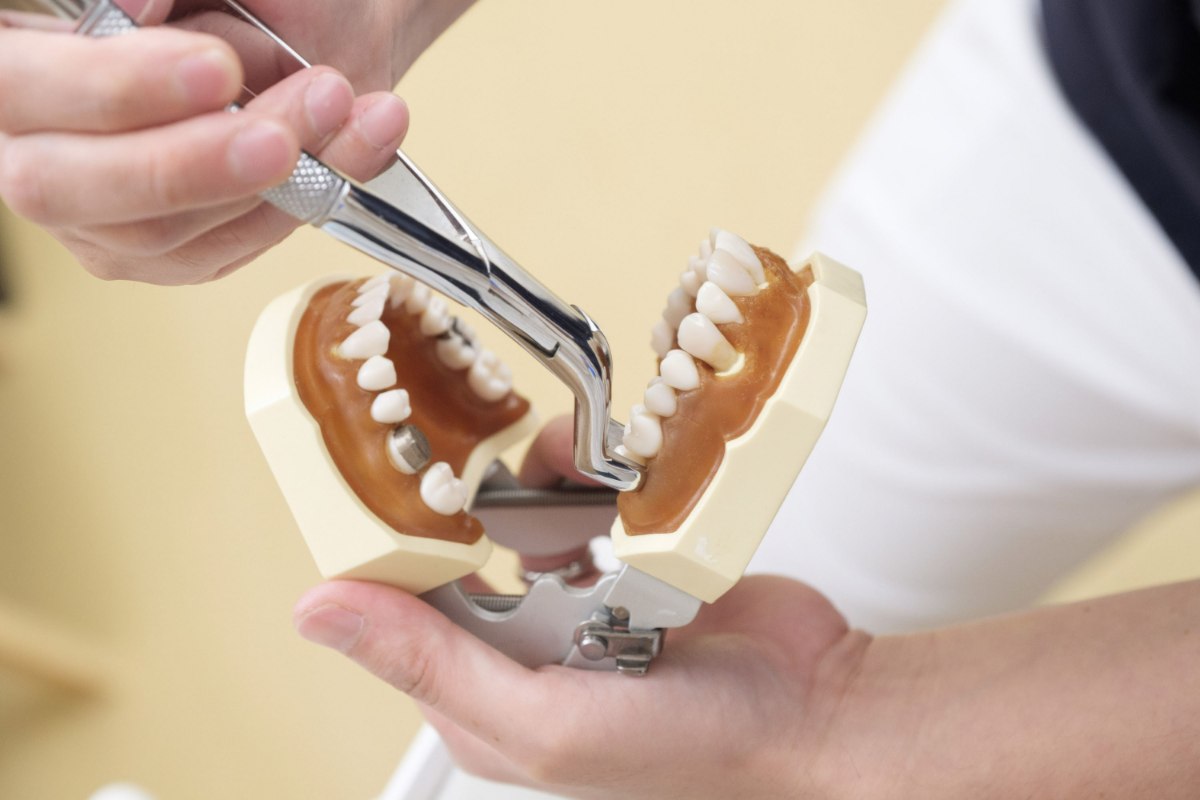

Tooth removal is common, but what happens when the bleeding doesn’t seem to stop? A little blood in your saliva after an extraction is usually expected. However, continuous bleeding, large blood clots, or blood that repeatedly fills your mouth may indicate a complication that needs immediate attention.
Imagine you have just returned home after a tooth extraction in Winchester, VA. You follow your dentist’s instructions, bite down on the gauze, and try to rest. An hour later, you notice that the gauze is still becoming soaked with blood. Should you wait a little longer, contact your dentist, or visit an emergency department?
Knowing the difference between normal post-extraction bleeding and a dental emergency can help you decide what to do and avoid unnecessary complications.
At Shenandoah Family Dentistry – Winchester, Dr. Jared Pell understands that unexpected symptoms after dental procedures can be concerning. Whether youhave had a simple extraction or a more involved surgical procedure, understanding the healing process and recognizing warning signs are key parts of recovery.
This guide explains when bleeding after a tooth extraction is normal, what causes excessive bleeding, which symptoms require emergency attention, and how to protect the extraction site while it heals.
Important: If you are experiencing heavy, uncontrolled bleeding, do not wait for a routine appointment. Seek urgent medical or dental assistance. Call 911 if you feel faint, lose consciousness, have difficulty breathing, or experience another life-threatening symptom.
Is Bleeding Normal After a Tooth Extraction?
Some bleeding is normal during healing. When a tooth is removed, the dentist leaves an empty socket in the jawbone. Blood naturally collects in this space and forms a clot that protects the underlying bone and supports healing.
You may notice pink saliva, slight blood staining, or occasional minor oozing during the first day after your procedure. This does not necessarily mean something is wrong.
According to a clinical review published in the BMJ, low-level oozing during the first 12–24 hours after an extraction can be normal. Mildly bloodstained saliva may occur as the clot develops and stabilizes.
However, there is an important difference between mild oozing and active bleeding.
Normal post-extraction bleeding may include:
- Slightly pink or reddish saliva.
- A small amount of blood on gauze.
- Minor oozing that gradually decreases.
- Mild blood staining during the first 24 hours.
Potentially concerning bleeding includes:
- Bright red blood continuously flowing from the extraction site.
- Gauze becoming soaked repeatedly despite firm pressure.
- Blood collecting or filling your mouth.
- Large or repeatedly forming blood clots.
- Bleeding that stops temporarily but starts again heavily.
- Bleeding accompanied by weakness, dizziness, or faintness.
If you notice these warning signs, contact your dentist immediately. Heavy bleeding that cannot be controlled requires emergency medical attention.
When Is Severe Bleeding After a Tooth Extraction a Dental Emergency?
Severe bleeding becomes a dental emergency when blood loss continues despite appropriate pressure or when symptoms suggest the body is not forming or maintaining a stable clot.
A tooth extraction in Winchester creates an open wound involving gum tissue and small blood vessels. If the clot becomes dislodged, fails to form properly, or the wound continues to bleed, additional treatment may be necessary.
Research published in the Cochrane Database of Systematic Reviews identifies post-extraction bleeding as a recognized complication. The review reported a wide incidence range of 0% to 26%, reflecting differences in how studies defined and measured bleeding complications. This figure includes varying degrees of bleeding and should not be interpreted as the rate of severe emergencies.
You should seek immediate dental attention if:
- Bleeding continues despite pressure: If you have applied firm, uninterrupted pressure with gauze and bleeding remains active, contact an emergency dental provider.
- Blood repeatedly fills your mouth: This may indicate uncontrolled bleeding rather than ordinary post-procedure oozing.
- You feel dizzy or weak: These symptoms may indicate significant blood loss and require urgent medical evaluation.
- Bleeding restarts heavily: A clot may have become disturbed, or another underlying problem may be preventing proper healing.
- You experience difficulty swallowing or breathing: This is a medical emergency.
Do not wait until the following morning if bleeding is heavy or you are experiencing concerning symptoms.
What Causes Excessive Bleeding After Tooth Extraction?
Several factors can contribute to prolonged or excessive bleeding following a dental extraction. Understanding these causes can help patients recognize potential risks before and after treatment.
1. Dislodged Blood Clot
A blood clot protects the extraction site. It acts as a natural covering over the exposed tissue and helps prevent further bleeding.
Certain activities can disturb this clot, particularly during the first 24 hours.
Examples include:
- Rinsing your mouth vigorously.
- Spitting forcefully.
- Drinking through a straw.
- Smoking or using tobacco.
- Touching the extraction site with your tongue or fingers.
- Eating hard or crunchy foods.
When the clot becomes dislodged, the extraction socket may begin bleeding again. It can also lead to dry socket, a painful condition in which the underlying bone is exposed.
The American Dental Association recommends avoiding activities such as smoking, vigorous rinsing, and using straws immediately after extraction to protect the healing area.
2. Blood-Thinning Medications
Certain medications can increase the risk of prolonged bleeding after dental procedures.
These include anticoagulants and antiplatelet medications, such as:
- Warfarin.
- Apixaban (Eliquis).
- Rivaroxaban (Xarelto).
- Dabigatran (Pradaxa).
- Clopidogrel (Plavix).
These medications are commonly prescribed to reduce the risk of blood clots, strokes, and other cardiovascular complications.
If you take any of these medications, inform your dentist before undergoing an extraction. Your dentist may coordinate with your prescribing physician to determine the safest treatment approach.
Never stop taking a prescribed blood thinner or antiplatelet medication on your own. Stopping it without medical guidance can increase the risk of serious complications.
3. Underlying Bleeding Disorders
Some patients have medical conditions that affect normal blood clotting.
Examples include hemophilia, von Willebrand disease, platelet disorders, and certain liver conditions.
These conditions may make it harder for the body to control bleeding after an extraction.
If you have a known bleeding disorder, share your medical history with your dental team before treatment. You may need additional precautions or coordination with a medical specialist.
4. Infection Around the Extraction Site
In some cases, bleeding can occur alongside infection or delayed healing.
If bacteria affect the extraction site, the surrounding gum tissue may become inflamed and more sensitive.
Watch for symptoms such as:
- Increasing gum swelling.
- Worsening pain.
- Pus or unusual discharge.
- Fever.
- An unpleasant taste or odor.
Bleeding that returns several days after extraction, particularly when accompanied by these symptoms, should be evaluated by a dentist.
5. Physical Activity Too Soon After Extraction
Returning to strenuous activities immediately after an extraction can interfere with early healing.
Heavy lifting, vigorous exercise, and activities that increase blood pressure may contribute to renewed bleeding.
Your dentist will generally recommend resting and avoiding strenuous physical activity during the first 24 hours, or longer if your procedure requires it.
What Should You Do If Your Tooth Extraction Site Is Bleeding?
If you notice bleeding after your extraction, taking the correct steps can help protect the blood clot and control minor bleeding.
Immediate first aid
Step 1: Stay calm and sit upright.
Sit comfortably and keep your head elevated. Avoid lying completely flat, as staying upright makes it easier to monitor the bleeding.
Step 2: Place clean, slightly damp gauze over the extraction site.
Fold a clean gauze pad into a compact shape and position it directly over the bleeding socket. Make sure it is placed where you can apply pressure by biting down.
Step 3: Apply firm, continuous pressure for 20 minutes.
Bite firmly without repeatedly removing the gauze to check the wound. Constant pressure helps the blood clot form and stabilize.
The Oral Health Foundation recommends applying firm pressure with gauze for 20 minutes when bleeding continues after an extraction.
Step 4: Check whether the bleeding has slowed.
After 20 minutes, carefully remove the gauze. If bleeding has stopped, follow your dentist’s aftercare instructions. If minor active bleeding continues, you may need to apply firm pressure again.
Step 5: Contact your dentist if bleeding persists.
If bleeding remains active after repeated pressure, seek urgent dental care. Do not continue attempting home treatment when bleeding is heavy or uncontrolled.
If you experience faintness, breathing difficulties, or severe blood loss, call 911.
What Should You Avoid After a Tooth Extraction?
The first 24 hours are particularly important because the blood clot needs time to stabilize.
Certain everyday habits can interfere with healing and increase the possibility of renewed bleeding.
Avoid the following:
| Activity | Why you should avoid it |
| Smoking | Can interfere with healing and disturb the clot. |
| Drinking through a straw | Suction can dislodge the clot. |
| Vigorous rinsing | May disturb the extraction site. |
| Forceful spitting | Can interfere with clot formation. |
| Heavy exercise | May contribute to renewed bleeding. |
| Hard or crunchy foods | Can irritate the healing area. |
| Touching the socket | Can disturb the protective clot. |
The American Dental Association and Veterans Health Library both emphasize protecting the extraction site and following appropriate aftercare instructions.
Do not use aspirin as an additional pain reliever unless your dentist or physician advises it. However, if aspirin is prescribed as an antiplatelet medication, do not discontinue it without medical guidance.
How Do Dentists Treat Severe Bleeding After an Extraction?
When bleeding does not respond to pressure, a dental professional needs to examine the extraction site and identify the source of the problem.
Treatment depends on the amount of bleeding, the patient’s medical history, and the condition of the extraction socket.
Common professional approaches include:
1. Local pressure and wound assessment
Your dentist examines the socket and applies appropriate pressure to determine whether the bleeding comes from the gum tissue or deeper within the extraction site.
2. Hemostatic materials
Special dental materials, such as absorbable gelatin sponges, collagen products, or oxidized cellulose, may be placed in the socket to help control bleeding.
3. Dental sutures
If the surrounding gum tissue continues to bleed, the dentist may use stitches to close or stabilize the affected area.
4. Medication-related evaluation
Patients taking blood thinners or those with known bleeding disorders may require additional medical assessment and coordination with their physician.
5. Medical referral
If bleeding is severe, cannot be controlled in the dental office, or is accompanied by signs of significant blood loss, hospital-based treatment may be necessary.
Clinical guidance published in StatPearls identifies local pressure, hemostatic materials, and other interventions as important approaches to managing post-extraction bleeding.
The appropriate treatment depends on the underlying cause. Prompt evaluation helps reduce the risk of complications.
How Can You Reduce the Risk of Bleeding After a Tooth Extraction?
Although some bleeding is expected, following your dentist’s instructions can help reduce the likelihood of complications.
Here are several ways to support a smoother recovery:
- Follow pre-treatment instructions: Share your medical history and medication list before the extraction.
- Protect the blood clot: Avoid touching or disturbing the extraction site.
- Choose soft foods: Eat yogurt, mashed potatoes, scrambled eggs, and other soft foods during early recovery.
- Stay hydrated: Drink water carefully without using a straw.
- Get adequate rest: Avoid strenuous activities during the initial healing period.
- Maintain oral hygiene: Brush your other teeth gently while avoiding direct irritation of the extraction site.
- Attend follow-up appointments: Allow your dentist to monitor healing and address any concerns.
If you have a medical condition or take medication that affects blood clotting, ask your dentist about additional precautions before your procedure.
When Should You Contact Shenandoah Family Dentistry – Winchester?
Knowing when to contact our emergency dentist in Winchester can make a significant difference in managing post-extraction complications.
You should contact your dental practice promptly if you experience:
- Bleeding that continues despite applying firm pressure.
- Bleeding that restarts after initially stopping.
- Increasing pain around the extraction site.
- Swelling that becomes progressively worse.
- Unusual discharge or a persistent unpleasant taste.
- Fever or other signs of infection.
Dr. Jared Pell can evaluate your symptoms and determine whether you need additional dental treatment.
If you are experiencing heavy uncontrolled bleeding, difficulty breathing or swallowing, or faintness, seek emergency medical attention rather than waiting for a routine dental appointment.
For patients in Winchester, VA, knowing where to turn when unexpected symptoms develop can make the recovery process less stressful.
Conclusion
Severe bleeding after a tooth extraction should never be ignored. Although mild oozing and bloodstained saliva are normal during early healing, continuous bright red bleeding, repeated gauze soaking, or blood collecting in your mouth may indicate a dental emergency.
Applying firm pressure with clean gauze for 20 minutes can help control minor bleeding. However, if bleeding persists despite these measures, contact a dental professional immediately. Patients experiencing severe blood loss, faintness, or breathing difficulties need emergency medical care.
At Shenandoah Family Dentistry – Winchester, Dr. Jared Pell understands the importance of proper extraction aftercare and timely treatment when complications arise. Following professional instructions and recognizing warning signs can help protect your oral health and support a smoother recovery.
Visit our dental practice in Winchester, VA. Book now to schedule your appointment with our team. If you are experiencing persistent bleeding after an extraction, contact a dental professional promptly rather than waiting for a routine visit.
Frequently Asked Questions
1. Does Shenandoah Family Dentistry – Winchester provide emergency dental care?
Our dentist can evaluate dental concerns and help determine the appropriate treatment for urgent problems. If you experience severe uncontrolled bleeding or other life-threatening symptoms, seek emergency medical attention immediately.
2. How can I schedule an appointment at Shenandoah Family Dentistry – Winchester?
Contact our dental practice in Winchester, VA, to request an appointment. Our dentist can discuss your dental concerns and help you understand the appropriate next steps for your care.
3. What dental services does Shenandoah Family Dentistry – Winchester provide?
Our dentist can discuss your dental needs and recommend appropriate preventive, restorative, and other dental treatments based on your oral health and individual requirements.
4. Should I visit the dentist if I experience tooth pain after an extraction?
Yes. Our dentist can evaluate persistent or worsening pain to determine whether it is related to normal healing, dry socket, infection, or another complication. Severe or increasing discomfort should not be ignored.
5. How often should I schedule routine dental checkups?
Our dentist can recommend a checkup schedule based on your oral health, gum condition, dental history, and risk factors. Many patients benefit from dental examinations every six months, while others may require more frequent visits.