
Have you ever woken up with a throbbing toothache, noticed swelling around your gums, or chipped a tooth while eating? Maybe you are unsure whether the problem can wait until your next dental checkup—or whether you need help today.
Knowing when to seek emergency dental care can help protect your teeth and manage pain. Severe tooth pain, facial swelling, a knocked-out permanent tooth, and uncontrolled bleeding are signs you should contact a dentist promptly. Some symptoms, such as trouble breathing or swallowing, require emergency medical attention rather than waiting for a dental appointment.
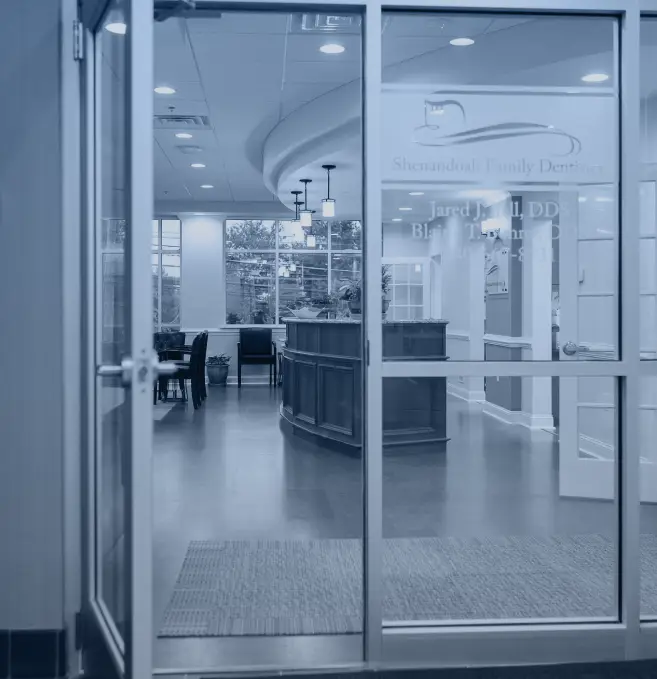
At Shenandoah Family Dentistry – Winchester, Dr. Jared Pell and the dental team treat sudden dental problems. If you live in Winchester, Virginia, or a nearby community, understanding these seven warning signs can help you take the next step with confidence.
Why Is Emergency Dental Care Important?
A dental emergency can involve a tooth, gum tissue, jaw, or dental restoration. Some problems cause immediate pain, while others may worsen without obvious symptoms at first.
According to a 2025 report from the National Center for Health Statistics, tooth disorders accounted for an estimated 1.94 million emergency department visits per year in the United States during 2020–2022. That equals an average of 59.4 visits per 10,000 people annually.
Emergency departments can help manage severe pain, swelling, or injuries, but they generally don’t provide definitive treatment for every dental problem. When a dental issue needs a filling, root canal, extraction, or another procedure, a dentist is often the appropriate professional to contact.
The following signs can help you recognize when to seek urgent care.
1. Severe or Persistent Toothache
A toothache that becomes intense, keeps returning, or prevents you from sleeping may indicate a problem that needs prompt dental evaluation.
Possible causes include:
- Deep tooth decay.
- Inflammation inside the tooth.
- A cracked or fractured tooth.
- Infection around the tooth root.
- A damaged filling or crown.
Mild sensitivity that lasts only a moment after drinking something cold may not be an emergency. However, pain that continues after the trigger is gone, becomes spontaneous, or worsens over time should not be ignored.
The CDC reports that more than 40% of adults have experienced mouth pain in the past year. Although oral pain has many possible causes, persistent tooth pain deserves an examination to identify the underlying issue.
What should you do? Call an emergency dentist in Winchester and describe where the pain is, how severe it is, and how long it has lasted. Avoid placing aspirin directly on the tooth or gum, because it can irritate the tissue. Use over-the-counter pain medication only as directed on the label and if it is safe for you.
2. Swelling Around Your Gums, Face, or Jaw
Swelling around a tooth or in the face can signal an infection, including a dental abscess. An abscess is a pocket of pus that may develop when bacteria enter the tooth or surrounding tissues.
You may notice:
- A swollen or tender gum near one tooth.
- A pimple-like bump on the gum.
- Swelling in the cheek or jaw.
- A bad taste or drainage in the mouth.
- Pain when biting.
A dental abscess usually doesn’t resolve permanently just because the pain temporarily decreases. The infection still needs evaluation and treatment.
When is swelling an emergency? If swelling spreads toward the eye or neck, or you have difficulty breathing or swallowing, seek emergency medical care immediately. Do not wait for a routine dental appointment.
For localized swelling without breathing or swallowing difficulty, contact a dentist urgently and explain your symptoms. Dr. Jared Pell can evaluate whether you need immediate dental treatment or a referral.
3. A Knocked-Out Permanent Tooth
A permanent tooth that has been completely knocked out is a time-sensitive dental emergency. Quick action may improve the chance of saving it.
If an adult tooth is knocked out:
- Pick it up by the crown, which is the visible chewing portion.
- Avoid touching or scrubbing the root.
- If the tooth is dirty, gently rinse it with milk or saline. Do not scrub it or use soap.
- If possible, carefully place it back into the socket without forcing it.
- If you cannot reinsert it, keep it moist in milk or a tooth-preservation solution.
- Contact a dentist immediately and seek care as quickly as possible.
The American Dental Association advises keeping a knocked-out permanent tooth moist and getting to a dentist right away. A knocked-out baby tooth should not be placed back into the socket.
If you have a serious head injury, loss of consciousness, or uncontrolled bleeding along with the tooth injury, seek emergency medical care.
4. A Broken, Cracked, or Chipped Tooth
A broken tooth can range from a small enamel chip to a fracture that exposes the tooth’s inner tissue.
A minor chip without pain may not need emergency treatment, but a large break, sharp fracture, or painful crack should be evaluated promptly.
Watch for symptoms such as:
- Pain when biting or chewing.
- Sensitivity to hot or cold.
- A sharp edge cutting your tongue or cheek.
- A visible crack or missing portion of the tooth.
- Swelling around the affected area.
Gently rinse your mouth with warm water. If the area is swollen, a cold compress on the outside of your cheek may help. Save any broken pieces and, if possible, bring them to your dental appointment.
Avoid chewing on the damaged tooth. A dentist may recommend bonding, a crown, or other treatment depending on the extent of the damage.
5. Bleeding That Does Not Stop
Bleeding after a tooth extraction or an injury to the mouth may occur, but bleeding that is heavy or does not slow with appropriate pressure needs attention.
If bleeding follows an extraction, follow your dental office’s instructions. Usually, this involves placing clean gauze over the site and applying steady pressure as directed.
Do not repeatedly remove the gauze to check the area, because that can disturb the clot.
If bleeding is severe, you feel faint, or you cannot control it, seek emergency medical care. If bleeding persists but is not life-threatening, contact your dentist promptly for instructions.
Patients taking blood-thinning medication or with a bleeding disorder should inform their dentist and follow individualized guidance. Do not stop prescribed medication without advice from the clinician who manages it.
6. A Lost Filling, Crown, or Other Dental Restoration
A filling or crown can become loose or fall out while eating, brushing, or biting down on something hard.
A missing restoration may expose sensitive tooth structure and make the tooth more vulnerable to further damage. You might notice pain with cold drinks, discomfort when chewing, or a sharp edge.
Call your dental office to determine how soon you should be seen. If the tooth is painful, fractured, or difficult to use, seek prompt care.
Until your appointment:
- Avoid chewing on that side.
- Keep the area clean with gentle brushing.
- Do not use household glue or other adhesives to attach a crown.
- If a crown comes off, keep it in a safe container and bring it to the dentist.
A lost filling or crown isn’t always a hospital emergency, but it shouldn’t be left untreated indefinitely.
7. Sudden Dental Injury After an Accident
A fall, sports collision, or accident can injure teeth and surrounding tissues even when no tooth visibly breaks.
Possible symptoms include:
- A tooth that feels loose or has moved out of position.
- Pain when closing your mouth.
- A cut or injury to the lips or gums.
- Jaw pain or difficulty opening your mouth.
- A tooth that suddenly changes color after trauma.
A tooth that has shifted or become loose after an impact needs prompt dental assessment. Do not push it repeatedly or try to reposition it yourself unless a dental professional specifically instructs you.
For sports injuries, wearing a properly fitted mouthguard can help reduce the risk of dental trauma. The ADA recommends mouthguards for many sports and recreational activities where mouth impacts are possible.
If the accident also involves a suspected broken jaw, serious facial injury, loss of consciousness, or difficulty breathing, seek emergency medical care.
When Should You Go to the Emergency Room Instead of a Dentist?
A dentist is often the right first contact for tooth pain, a broken tooth, a lost crown, or a localized dental infection. However, certain symptoms can indicate a broader medical emergency.
Call 911 or go to an emergency department if you have:
- Difficulty breathing or swallowing.
- Rapidly spreading swelling in the face, neck, or throat.
- Severe facial trauma or a suspected jaw fracture.
- Uncontrolled bleeding.
- A serious head injury or loss of consciousness.
Do not delay emergency medical care while trying to reach a dental office.
What to Do While Waiting for Emergency Dental Care
If you are waiting for a dental appointment, keep the area clean and avoid activities that worsen the pain.
For tooth pain, gently rinse with warm water and use floss to remove food trapped between teeth. Do not insert sharp objects into the affected area.
For swelling, a cold compress placed on the outside of the face may provide temporary relief. Avoid applying heat directly to an area that may be infected.
Do not use leftover antibiotics or take medication prescribed for another person. A dentist or medical professional should determine whether medication is appropriate and whether the tooth needs definitive treatment.
Emergency Dental Care in Winchester, VA
If you experience sudden tooth pain, a damaged tooth, swelling, or another urgent dental concern, contact a dental office to understand your next steps.
Shenandoah Family Dentistry – Winchester provides general and emergency dental care for patients in Winchester, Virginia. Dr. Jared Pell can evaluate your dental concerns, explain treatment options, and help you decide when to seek care.
When you call, be ready to describe your symptoms, when they started, whether you had an injury, and whether you have swelling, fever, or difficulty swallowing.
Conclusion
Recognizing the signs of a dental emergency can help you seek care before a problem becomes more serious. Severe or persistent tooth pain, swelling, a knocked-out permanent tooth, a broken tooth, uncontrolled bleeding, a lost restoration, and sudden dental injuries are all reasons to contact a dentist promptly.
Not every dental problem requires an emergency room visit, but symptoms involving breathing, swallowing, serious trauma, or uncontrolled bleeding need emergency medical attention.
If you are experiencing a dental emergency in Winchester, Virginia, contact Shenandoah Family Dentistry – Winchester to discuss your symptoms and the appropriate next step.
Visit our dental practice in Winchester. Book now to schedule your appointment with our team.
Frequently Asked Questions
1. What dental services does a family dentist provide?
Our family dentist may provide dental exams, professional cleanings, fillings, crowns, gum disease treatment, and other preventive or restorative services based on the patient’s needs and the practice’s offerings.
2. How often should I visit the dentist?
Many patients benefit from checkups and cleanings every six months. Patients with gum disease, frequent cavities, or other oral health concerns may need more frequent visits, as their dentist recommends.
3. Can a toothache go away on its own?
Tooth pain may temporarily improve, but that does not always mean the underlying problem has resolved. Persistent or recurring pain should be evaluated to identify the cause and determine whether treatment is needed.
4. What should I do if I have a broken tooth?
Gently rinse your mouth with warm water, avoid chewing on the damaged tooth, and contact our dentist. If you have severe facial trauma, uncontrolled bleeding, or difficulty breathing, seek emergency medical care.
5. How can I prevent dental emergencies?
Brush twice daily with fluoride toothpaste, clean between your teeth every day, attend regular dental checkups, avoid chewing ice or hard objects, and wear a mouthguard during sports or activities with a risk of dental injury.