Digital X-rays are revolutionizing dental care. They provide detailed images quickly and with less radiation. This guide explains everything dental patients need to know about digital X-rays in Winchester. Keep reading to gain clarity on the stunning features of this cutting-edge technology transforming dentistry.
What Are Digital X-Rays?
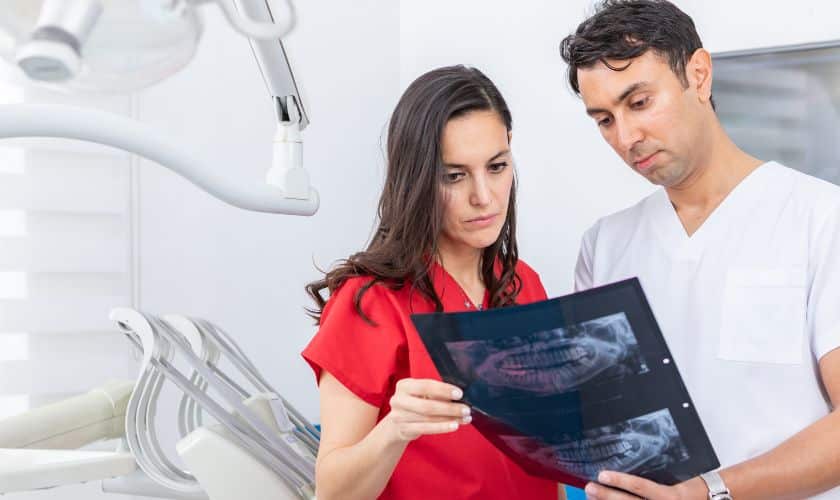
Digital X-rays use electronic sensors to capture images of your teeth and jaw. These images are stored on a computer and can be viewed instantly. Digital X-rays offer clearer images than traditional film X-rays, aiding in more accurate diagnoses.
Benefits of Digital X-Rays
Let’s take a look at the advantages of getting dental X-rays done to improve your smile and oral well-being.
Reduced Radiation Exposure
One of the main advantages of digital X-rays is reduced radiation exposure. They use up to 90% less radiation than traditional X-rays, making them safer for patients.
Instant Results and Easy Sharing
Digital X-rays provide immediate results. Dentists can view the images on a computer screen right away. They can also easily share these images with other dental specialists or insurance companies, facilitating better coordination of care.
Enhanced Image Quality
X-rays offer superior image quality. Dentists can zoom in, adjust brightness, and enhance contrast for a better view. This precision helps in detecting even the smallest issues early.
Environmentally Friendly
Dental X-rays are more environmentally friendly. They eliminate the need for film and chemical processing, reducing waste and chemical use.
Types of Digital X-Rays
Intraoral X-Rays: These are taken inside the mouth. They provide detailed images of individual teeth and surrounding bone. Intraoral X-rays include bite-wing, periapical, and occlusal X-rays.
Extraoral X-Rays: These are taken outside the mouth. They capture broader views of the jaw and skull. Panoramic and cephalometric X-rays are common types of extraoral X-rays.
The Process of Taking Digital X-Rays
Here’s what happens when you visit your dentist in Winchester, VA, for dental X-rays.
Preparation
The process begins with placing a protective lead apron over the patient to shield them from any radiation. The dentist will then position a small sensor inside your mouth.
Image Capture
The dentist captures the image by clicking a button. The sensor sends the image to a computer screen, where it appears instantly. The dentist can adjust and enhance the image as needed.
Safety of Digital X-Rays
Minimal Radiation: Digital X-rays use minimal radiation, making them safer than traditional methods. Even though the exposure is low, protective measures, like lead aprons, ensure additional safety.
Suitable for All Ages: X-rays are suitable for patients of all ages, including children and pregnant women. Their low radiation levels and quick capture time make them ideal for frequent monitoring.
Common Uses of Digital X-Rays in Dentistry
Dental X-rays are utilized for a variety of reasons by your dentist, which include the following:
Diagnosing Cavities
Digital X-rays help in detecting cavities that aren’t visible during a regular dental exam. They can spot early signs of decay between teeth and under fillings.
Monitoring Bone Health
Dentists use digital X-rays to monitor bone health around teeth. This is crucial for diagnosing conditions like periodontal disease and assessing the success of dental implants.
Planning Treatments
Digital X-rays assist in planning treatments like braces, implants, and extractions. They provide a comprehensive view of the teeth and jaw, aiding in precise treatment planning.
Digital X-rays are a vital tool in modern dentistry. They offer numerous benefits, including reduced radiation, instant results, enhanced image quality, and environmental friendliness. Understanding the types and uses of digital X-rays helps patients appreciate their importance in dental care.
With their many advantages, digital X-rays in Winchester ensure safer and more efficient dental visits, contributing to better oral health outcomes. If you want to schedule your consultation with a dentist, contact Shenandoah Family Dentistry – Winchester.