
Have you noticed a sharp twinge when you drink cold water, eat ice cream, or brush near your gumline? If you have been told that you need periodontal treatment, you may be wondering whether a deep cleaning will make that sensitivity worse.
The answer is yes: periodontal treatment can temporarily increase tooth sensitivity in some patients. However, sensitivity does not automatically mean the treatment has damaged your teeth. In many cases, it happens because treatment removes plaque and tartar from areas that have been covered by deposits or inflamed gum tissue.
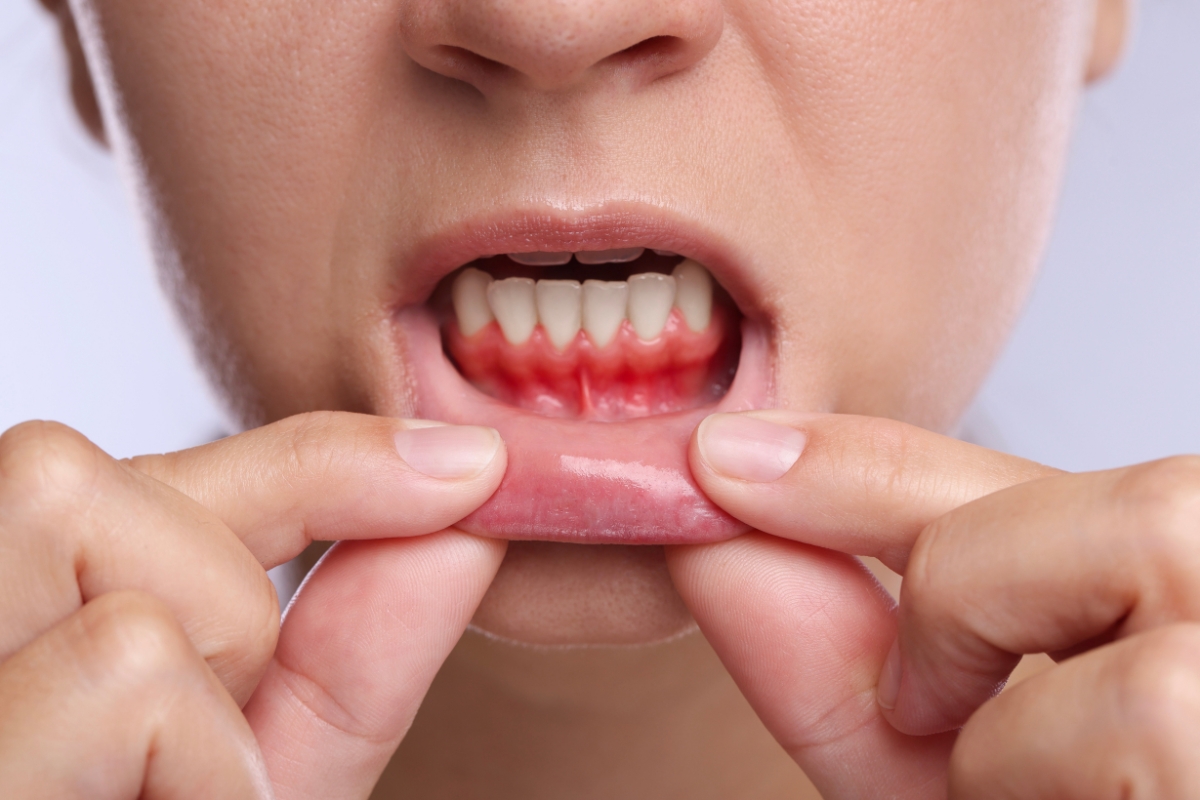
If you are experiencing bleeding gums, gum recession, or discomfort when eating, understanding the link between gum health and tooth sensitivity can help you decide what to do next. At Shenandoah Family Dentistry – Winchester, Dr. Jared Pell can evaluate your gum health, identify possible causes of sensitivity, and discuss appropriate treatment options.
What Is Periodontal Treatment?
Periodontal treatment in Winchester manages gum disease and protects the tissues that support your teeth. Gum disease can begin as gingivitis, which causes inflammation and bleeding, and may progress to periodontitis if it is not managed.
According to the Centers for Disease Control and Prevention (CDC), approximately 42% of U.S. adults aged 30 and older had some form of periodontitis in data from 2009–2014. Although these figures are based on older national survey data, they demonstrate how common gum disease is among adults.
One common treatment for periodontitis is scaling and root planing, often called a deep cleaning. During this procedure, a dental professional removes plaque and hardened tartar from above and below the gumline. The root surfaces may also be smoothed to help reduce bacterial deposits and support gum healing.
The goal is to control infection and inflammation, not to increase tooth sensitivity. Still, some patients notice changes in how their teeth respond to hot, cold, sweet, or acidic foods after treatment.
Why Can Periodontal Treatment Make Teeth Sensitive?
Sensitivity after periodontal treatment can have several causes. The exact reason depends on your gum condition, how much tartar was removed, and whether the roots were already exposed.
1. Removing Tartar Can Expose Previously Covered Tooth Surfaces
When tartar builds up around the gumline, it may cover portions of the tooth root. During scaling and root planing, these deposits are removed so the area can be cleaned properly.
Once the tartar is gone, the root surface may be more exposed to air, cold drinks, or temperature changes. This can make a tooth feel more sensitive than it did before treatment.
The difference matters: removing tartar doesn’t necessarily create a new problem. It may reveal an area that was already exposed but had been covered by hardened deposits.
2. Gum Inflammation and Healing Can Change Sensation
Gum disease causes inflammation around the teeth. During treatment, dental professionals clean the affected areas, and the gums begin to recover.
In the first few days, the treated tissues may feel tender. Some patients also notice brief sensitivity while eating or drinking. These symptoms are generally temporary, but the duration varies from person to person.
3. Gum Recession May Leave Tooth Roots Exposed
Healthy gum tissue covers your tooth roots. When gum disease damages the supporting tissues, the gumline may move downward or away from the tooth, exposing part of the root.
Root surfaces lack the same protective enamel covering as the tooth crown. As a result, exposed roots may respond more strongly to cold, touch, or acidic foods.
Periodontal treatment can help manage gum disease, but it does not always restore gum tissue that has already receded. If recession is present, sensitivity may continue after the initial healing period.
4. Existing Dental Problems May Also Contribute
Not every sensitive tooth is sensitive because of periodontal treatment. Other causes may include:
- Tooth decay or a worn filling.
- Cracked or damaged teeth.
- Enamel erosion from acidic foods and drinks.
- Aggressive brushing or a hard-bristled toothbrush.
- Teeth grinding or clenching.
- Gum recession unrelated to the recent treatment.
If sensitivity is severe, lasts longer than expected, or affects only one tooth, a dental examination can help determine whether another issue needs attention.
How Long Does Tooth Sensitivity Last After a Deep Cleaning?
Some patients experience mild sensitivity for a few days after scaling and root planing. The American Dental Association’s MouthHealthy resource notes that tooth sensitivity may last up to about a week after a deep cleaning, though recovery can vary by individual.
You may notice discomfort when drinking cold water, breathing cold air, or eating very hot foods. The gums may also feel tender or bleed slightly during the early healing period.
Sensitivity should generally decrease as the treated tissues recover. If it worsens instead of improving, or if you have severe pain, swelling, fever, or pain when biting, contact your dental office promptly. These symptoms should not automatically be attributed to normal post-treatment sensitivity.
Does Periodontal Treatment Help Protect Sensitive Teeth?
Although periodontal treatment may cause temporary sensitivity, treating gum disease can help protect the teeth and their supporting structures.
When plaque and tartar remain below the gumline, bacteria can contribute to ongoing inflammation and damage. As periodontitis progresses, the gums may recede, and the bone supporting the teeth may be lost.
Professional periodontal treatment helps remove deposits that cannot be eliminated with ordinary brushing and flossing. It can reduce inflammation and help manage the disease. The CDC explains that gingivitis is generally reversible, while periodontitis involves damage to supporting tissues and must be managed over time.
For patients with sensitive teeth, the treatment plan should address both concerns: controlling gum disease and reducing discomfort. Your dentist may recommend additional sensitivity care once the gum condition has been assessed.
How Can You Reduce Sensitivity After Periodontal Treatment?
If your teeth feel sensitive after a deep cleaning, several practical steps may help.
Use a Soft-Bristled Toothbrush
Brush gently with a soft-bristled toothbrush and fluoride toothpaste. Avoid scrubbing the gumline aggressively, as excessive pressure can irritate the gums and contribute to recession over time.
Continue cleaning your teeth as your dental professional instructs. Avoiding the treated areas completely can let plaque build up and harm gum health.
Consider Toothpaste for Sensitive Teeth
Toothpaste formulated for sensitive teeth may help reduce discomfort with regular use. These products often contain ingredients that help block pathways through which sensations reach the tooth’s nerve.
Ask your dentist which product is right for you, especially if you have exposed roots, cavities, or other dental concerns.
Limit Foods and Drinks That Trigger Discomfort
During the initial healing period, try avoiding very cold or hot foods and drinks if they cause pain. Acidic items such as citrus juices, soda, and vinegar-heavy foods may also irritate sensitive tooth surfaces.
You do not need to avoid these foods permanently. The goal is to reduce discomfort while your mouth heals and identify whether a particular trigger contributes to the problem.
Keep Up With Recommended Follow-Up Visits
Periodontal treatment is often followed by a reassessment to check gum healing and determine whether further care is needed.
At Shenandoah Family Dentistry – Winchester, Dr. Jared Pell can evaluate whether sensitivity is improving, whether gum inflammation remains, and whether another dental issue needs attention. Patients with periodontitis may also benefit from periodontal maintenance visits at intervals recommended for their condition.
When Should You Contact a Dentist About Sensitive Teeth?
Mild sensitivity after periodontal treatment may improve over time, but certain symptoms warrant closer attention.
Contact your dental office if:
- Sensitivity does not gradually improve.
- Pain is severe or interferes with eating or sleeping.
- One tooth is much more sensitive than the others.
- You experience pain when biting or chewing.
- Your gums remain significantly swollen or bleed heavily.
- You notice facial swelling, fever, or other signs of infection.
A dental professional can examine the teeth and gums, review the treatment performed, and determine whether the discomfort is related to healing, exposed roots, decay, a cracked tooth, or another condition.
Periodontal Treatment and Sensitive Teeth in Winchester, VA
If you are concerned about sensitive teeth before or after periodontal treatment, an evaluation can help you understand what is happening and what care may be appropriate.
Shenandoah Family Dentistry – Winchester provides dental care for patients in Winchester, Virginia. Dr. Jared Pell can assess gum health, discuss periodontal treatment, and help you plan care that considers both gum disease and tooth sensitivity.
Conclusion
Periodontal treatment can temporarily make sensitive teeth more noticeable, particularly when scaling and root planing removes tartar from around the gumline or exposes previously covered root surfaces. Mild sensitivity often improves as the gums heal, but don’t ignore persistent or severe pain; have it evaluated.
The long-term goal of periodontal care is to manage gum disease, reduce inflammation, and help protect the tissues that support your teeth. With professional treatment, consistent home care, and recommended follow-up visits, patients can work toward healthier gums while addressing sensitivity along the way.
Visit our dental practice in Winchester. Book now to schedule your appointment with our team.
Frequently Asked Questions
1. What dental services does a family dentist provide?
Our family dentist may provide preventive care, dental exams, professional cleanings, fillings, crowns, gum disease treatment, and other services based on the practice’s offerings and a patient’s needs.
2. How often should I visit the dentist?
Many patients benefit from dental checkups and cleanings about every six months. However, people with gum disease or other dental concerns may need more frequent visits based on their dentist’s recommendations.
3. Can gum disease affect my teeth?
Yes. Untreated gum disease can damage the tissues and bone that support teeth. As it progresses, it may contribute to gum recession, loose teeth, and tooth loss.
4. What should I do if I have a toothache?
Contact our dentist to determine the cause. Toothaches can result from cavities, gum problems, cracks, infection, or other conditions. Severe pain, facial swelling, or fever requires prompt attention.
5. How can I maintain good oral health between dental visits?
Brush twice a day with fluoride toothpaste, clean between your teeth daily, limit sugary snacks and drinks, and follow our dentist’s recommendations for preventive care and follow-up treatment.