
Dental implants are designed to replace missing teeth and provide a stable, natural-looking restoration. However, even after successful implant placement, the surrounding gums can sometimes become red, swollen, tender, or start bleeding. If you have noticed blood while brushing around an implant or swelling near the implant-supported crown, you may wonder whether something is wrong.
Imagine brushing your teeth in the morning and noticing a small amount of blood around your dental implant. Perhaps the gum tissue looks darker than usual, feels tender, or appears slightly puffy. Should you change your brushing routine, schedule a dental exam, or worry about implant failure?
These symptoms deserve attention because healthy gums protect the tissues and bone that support dental implants.
For patients in Winchester, VA, understanding the causes of implant-related gum inflammation can help prevent minor concerns from becoming more serious complications. At Shenandoah Family Dentistry – Winchester, Dr. Jared Pell understands the importance of monitoring dental implants and keeping the surrounding gum tissue healthy.
In this article, we explain why gums around dental implants sometimes swell or bleed, the warning signs of peri-implant disease, available treatment options, and practical ways to protect your implant investment.
What Does Healthy Gum Tissue Around a Dental Implant Look Like?
Healthy gums around a dental implant should generally appear firm, comfortable, and free from visible inflammation. They should not regularly bleed when you brush, floss, or gently clean around the restoration.
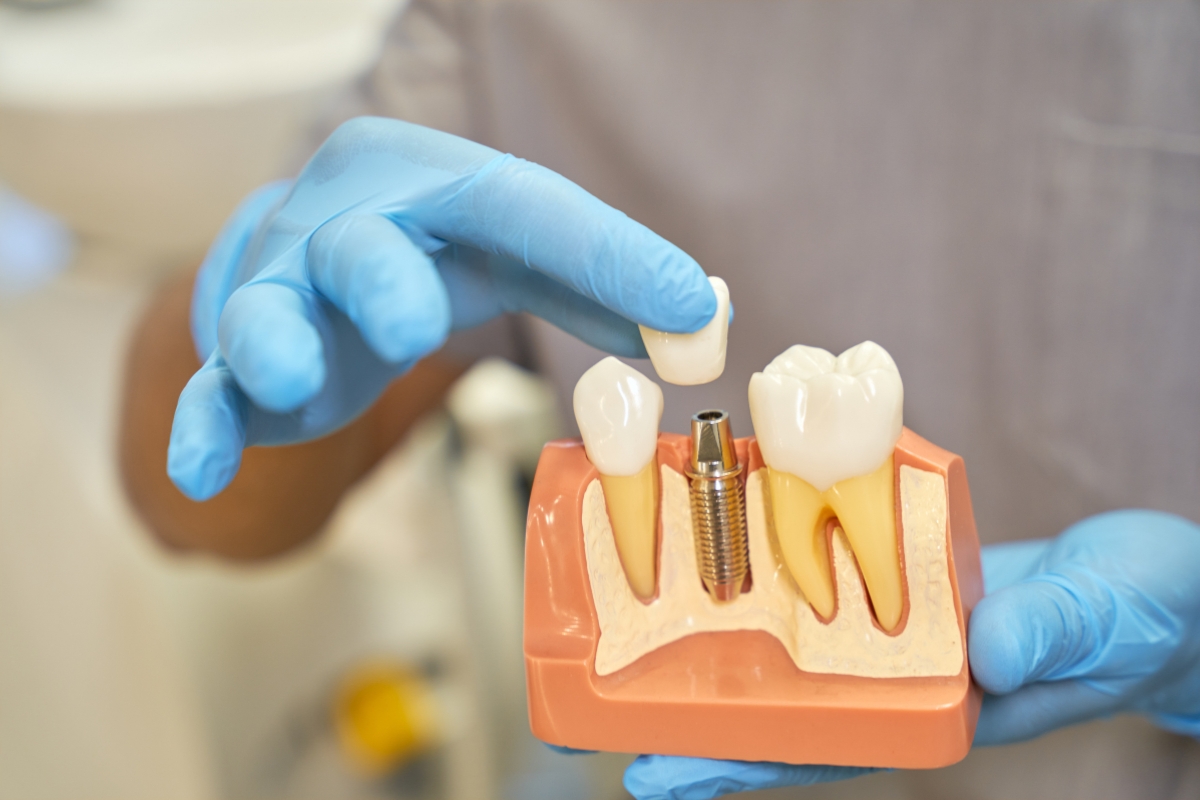
Unlike natural teeth, dental implants in Winchester lack the periodontal ligament that connects natural tooth roots to the surrounding bone. Instead, the implant integrates directly with the jawbone, while specialized gum tissue forms a protective seal around its upper portion.
This surrounding tissue plays an important role in protecting the underlying structures from bacteria.
According to the 2017 World Workshop consensus report published in the Journal of Periodontology, healthy tissues around dental implants should show no signs of redness, swelling, bleeding on probing, or pus.
If you notice persistent bleeding or swelling, arrange a dental examination rather than assuming the symptoms are harmless.
1. Peri-Implant Mucositis: An Early Cause of Swollen and Bleeding Gums
One of the most common reasons gums become inflamed around dental implants is peri-implant mucositis.
It occurs when bacterial plaque accumulates around the implant and irritates the surrounding soft tissue. This can cause inflammation without measurable progressive bone loss beyond normal initial remodeling.
Common symptoms include:
- Redness around the implant.
- Swollen or tender gum tissue.
- Bleeding while brushing or flossing.
- Bleeding when a dentist gently examines the implant.
- Mild discomfort around the restoration.
The good news is that peri-implant mucositis is generally reversible when identified early.
The American Academy of Periodontology explains that this condition affects the soft tissues surrounding an implant and can often be treated through professional plaque removal and improved daily oral hygiene.
A 2022 consensus review reported a weighted-average prevalence of about 43% among dental implant patients, although estimates vary by study definitions and populations. This demonstrates why regular implant monitoring matters.
2. Peri-Implantitis: When Gum Inflammation Affects Supporting Bone
If inflammation around a dental implant is not adequately managed, it may progress to a more serious condition known as peri-implantitis.
Unlike peri-implant mucositis, peri-implantitis involves inflammation of the surrounding soft tissue together with progressive loss of the bone supporting the implant.
This condition can threaten implant stability if it continues without appropriate treatment.
Common warning signs include:
- Persistent bleeding around the implant.
- Red, swollen, or tender gums.
- Pus or discharge near the implant.
- Increasing gum pocket depth.
- Gum recession around the restoration.
- Changes in the implant’s appearance or stability.
The 2017 World Workshop consensus report identifies bleeding or pus, increased probing depths, and radiographic evidence of bone loss as important diagnostic features.
Research summarized in a 2022 consensus report estimated that peri-implantitis affected approximately 22% of implant patients, with considerable variation between studies. This is a patient-level estimate, not the percentage of individual implants that develop the condition.
If you notice these symptoms, do not wait for the implant to become loose before seeking dental care.
3. Poor Oral Hygiene and Plaque Accumulation
Although dental implants cannot develop cavities, the surrounding gum tissue can still become infected or inflamed.
Plaque is a sticky bacterial film that forms on teeth, dental restorations, and implant surfaces. If it isn’t removed regularly, it can irritate the surrounding gum tissue.
Areas around implant-supported crowns can sometimes be difficult to clean, particularly when the restoration has a shape that makes access challenging.
Common oral hygiene mistakes include:
- Brushing too quickly or missing areas around the implant.
- Avoiding flossing because the gums bleed.
- Using cleaning tools that do not reach beneath the implant-supported restoration.
- Skipping professional dental cleanings.
- Allowing plaque to accumulate around the gumline.
The National Institute of Dental and Craniofacial Research explains that plaque accumulation can cause red, swollen, and bleeding gums. When plaque hardens into tartar, you need a professional cleaning to remove it.
If your implant gums bleed, don’t just stop cleaning the area. Gentle, appropriate cleaning is important, but persistent bleeding should be evaluated by a professional.
4. Smoking and Tobacco Use
Smoking is another important risk factor for inflammation and complications around dental implants.
Tobacco exposure can interfere with normal healing, reduce blood supply to the tissues, and make it harder for the body to respond effectively to bacterial infection.
People who smoke may experience:
- Increased inflammation around implants.
- Delayed healing after implant placement.
- Greater risk of peri-implant disease.
- Reduced success of periodontal treatment.
- More difficulty maintaining healthy gum tissue.
The American Academy of Periodontology identifies smoking as an important risk indicator for peri-implant disease.
Quitting smoking can support better oral health and improve the conditions needed for long-term implant maintenance.
If you use cigarettes or other tobacco products, discuss your habits with your dentist during implant examinations.
5. Diabetes and Other Medical Conditions
Your general health can influence how your gums respond to bacteria and how well tissues heal around dental implants.
Diabetes is particularly important because poorly controlled blood glucose can affect the body’s inflammatory response and healing processes.
Patients with diabetes may have an increased risk of gum inflammation and complications involving the tissues supporting dental implants.
Other factors that may influence implant health include:
- Certain immune system conditions.
- Medications that affect healing or immune responses.
- A history of periodontal disease.
- Previous radiation therapy involving the jaw.
- Conditions that affect saliva production or oral hygiene.
The 2017 World Workshop consensus report identifies diabetes and smoking as factors that may modify the risk of peri-implant mucositis. A later consensus review also identifies diabetes and a history of periodontitis among relevant risk indicators for peri-implant disease.
If you have diabetes, maintaining good blood glucose control and attending regular dental appointments are important parts of protecting your implants.
6. Improperly Fitting Implant Crowns or Bridges
Sometimes, the problem is not simply plaque accumulation. The design or positioning of an implant-supported crown or bridge may also make the surrounding gums more difficult to maintain.
For example, a restoration with excessive contours can create spaces where food particles and bacteria collect.
If the crown is difficult to clean, plaque may accumulate near the gumline and contribute to persistent inflammation.
You may notice:
- Food frequently getting trapped around the implant.
- Bleeding in the same area when you brush.
- Gum swelling near the crown’s edge.
- Difficulty passing floss or an appropriate cleaning aid beneath the restoration.
- Persistent irritation around the implant.
Your dentist can evaluate the restoration’s shape, position, and accessibility. In some cases, modifying the restoration or improving the cleaning technique may help reduce irritation.
7. Excessive Pressure From Teeth Grinding or Bite Problems
Dental implants are designed to withstand normal chewing forces, but excessive pressure can create problems.
Bruxism, commonly known as teeth grinding or clenching, can add stress to implant-supported restorations and surrounding structures.
Although grinding does not automatically cause gum inflammation, excessive bite forces may contribute to mechanical complications and make existing implant problems more difficult to manage.
Possible warning signs include:
- Discomfort when chewing.
- A chipped or damaged implant crown.
- Changes in how your teeth meet.
- Persistent pressure around the implant.
- Loosening of an implant-supported restoration.
If you grind your teeth at night, your dentist may recommend a custom night guard or other measures to help protect your dental restorations.
An examination can also determine whether your bite needs adjustment.
How Can You Tell Whether You Have Peri-Implant Mucositis or Peri-Implantitis?
Both conditions can cause swollen and bleeding gums, but they differ in how deeply they affect the supporting structures.
Understanding the difference matters because early treatment can help prevent further damage.
| Feature | Peri-implant mucositis | Peri-implantitis |
| Gum redness | Common | Common |
| Gum swelling | Common | Common |
| Bleeding | Common | Common |
| Pus or discharge | May occur | May occur |
| Supporting bone loss | No progressive disease-related loss | Present |
| Implant stability | Generally maintained | May become compromised |
| Treatment goal | Reverse soft-tissue inflammation | Control infection and manage bone damage |
The distinction is based on the clinical and radiographic findings, not symptoms alone. Your dentist may use a periodontal probe and dental X-rays to assess the surrounding tissues and supporting bone.
How Do Dentists Treat Swollen or Bleeding Gums Around Dental Implants?
Treatment depends on the cause and severity of the inflammation. Your dentist will first evaluate the implant, surrounding gums, restoration, and supporting bone.
Here are some common treatment approaches.
Professional Implant Cleaning
If plaque buildup causes inflammation, a professional cleaning may help remove bacterial deposits around the implant.
Your dental professional can use instruments designed to clean implant surfaces without unnecessary damage.
Patients may also receive instructions on improving their daily cleaning routine.
Treatment for Peri-Implant Mucositis
When inflammation is limited to the soft tissue, treatment generally focuses on removing plaque and improving oral hygiene.
Your dentist may recommend:
- Professional removal of plaque and deposits.
- Improved brushing and interdental cleaning.
- Appropriate implant-specific cleaning tools.
- More frequent maintenance appointments.
The 2017 consensus report found that peri-implant mucositis can resolve after re-establishing effective plaque control, although improvement may take more than three weeks.
Treatment for Peri-Implantitis
Peri-implantitis requires more comprehensive management because it affects supporting bone.
Depending on the condition, treatment may include:
- Nonsurgical cleaning and infection control.
- Removal of deposits from accessible implant surfaces.
- Surgical access for cleaning affected areas.
- Regenerative procedures in selected cases.
- Modification or removal of a restoration when necessary.
The treatment goal is to control inflammation, reduce bacterial contamination, and protect as much supporting bone as possible.
Not every implant complication requires surgery. The appropriate approach depends on clinical findings and the extent of tissue damage.
How Can You Prevent Gum Swelling and Bleeding Around Dental Implants?
Maintaining healthy gum tissue requires consistent home care and professional monitoring.
Even after an implant has healed successfully, it still needs regular maintenance.
Here are seven practical ways to protect your implants:
- Brush twice daily: Use a soft-bristled toothbrush and clean carefully around the implant-supported crown.
- Clean between teeth daily: Use appropriate interdental brushes, floss, or other tools your dentist recommends.
- Attend regular dental examinations: Your dentist can identify early inflammation before it progresses.
- Avoid tobacco: Smoking increases the risk of complications involving implant-supporting tissues.
- Manage diabetes: Work with your healthcare provider to keep blood glucose levels in a healthy range.
- Protect your implants from grinding: Ask whether a custom night guard is appropriate.
- Follow professional cleaning recommendations: Implant maintenance should be based on your individual risk factors and oral health.
A 2019 consensus report on peri-implant disease maintenance generally favored six-month visits or shorter intervals, depending on the patient’s risk, home-care habits, and restoration design. These visits may include implant probing, bleeding assessment, and X-rays when indicated.
The important point is that dental implants should never be considered maintenance-free.
When Should You Contact Your Dentist About Implant-Related Gum Problems?
Occasional mild irritation may have a simple explanation, but persistent bleeding or swelling should not be ignored.
Contact your Winchester dentist if you experience:
- Gums that repeatedly bleed around an implant.
- Swelling that does not improve.
- Increasing tenderness or pain.
- Pus or unusual discharge.
- Persistent bad breath or an unpleasant taste.
- Gum recession around the implant.
- Changes in the fit or stability of your implant-supported restoration.
Seek urgent medical attention if swelling spreads rapidly, you develop fever with significant facial swelling, or you experience difficulty swallowing or breathing.
For patients in Winchester, VA, early evaluation can help identify whether the problem involves plaque, gum inflammation, restoration design, or a more advanced implant complication.
At Shenandoah Family Dentistry – Winchester, Dr. Jared Pell can assess your concerns and help determine the right next steps to maintain your oral health.
Conclusion
Swollen or bleeding gums around dental implants can develop for several reasons, including plaque buildup, peri-implant mucositis, peri-implantitis, smoking, diabetes, and problems with implant-supported restorations.
Although early gum inflammation may be reversible, untreated peri-implant disease can affect the supporting bone and potentially threaten implant stability. That is why persistent bleeding, redness, tenderness, or swelling should be evaluated by a dental professional.
Good oral hygiene, regular dental exams, and personalized implant maintenance recommendations can help protect your investment.
At Shenandoah Family Dentistry – Winchester, Dr. Jared Pell understands the importance of healthy gums and properly maintained dental implants. Whether you are experiencing bleeding around an existing implant or want to protect your restoration, professional dental guidance can help you make informed decisions.
Visit our dental practice in Winchester, VA. Book now to schedule your appointment with our team and discuss your dental implant concerns.
Frequently Asked Questions
1. Does Shenandoah Family Dentistry – Winchester provide dental implant consultations?
Our dentist can evaluate your oral health, discuss your concerns, and explain appropriate dental implant care and treatment options based on your individual needs.
2. How can I schedule an appointment at Shenandoah Family Dentistry – Winchester?
Contact our dental practice in Winchester, VA, to request an appointment. Our dentist can discuss your dental concerns and help you determine the appropriate next steps.
3. What should I bring to my first dental appointment?
Our dentist recommends bringing relevant dental records, a list of current medications, information about existing medical conditions, and details about previous dental treatments when available.
4. How often should I visit Shenandoah Family Dentistry – Winchester for dental checkups?
Our dentist can recommend an appointment schedule based on your oral health, gum condition, and individual risk factors. Many patients benefit from examinations every six months, while patients with dental implants or periodontal concerns may need more frequent monitoring.
5. Can regular dental visits help prevent dental implant complications?
Yes. Our dentist can monitor the gums and supporting bone around your implants, identify early signs of inflammation, and recommend professional cleaning and home-care improvements to help maintain implant health.