Have you noticed your gums bleeding more easily at certain times of the month? Do they become swollen, tender, or unusually sensitive even when you brush and floss regularly? Perhaps you have experienced changes in your oral health during pregnancy, menopause, or while taking hormonal medications.
Hormones influence more than reproductive health. They can also affect the way your gums respond to plaque, bacteria, and inflammation. Changes in estrogen and progesterone levels may increase gum sensitivity, alter blood flow to gum tissues, and make existing inflammation more noticeable.
For adults in Winchester, VA, understanding this connection can help explain why gum problems sometimes develop or become more noticeable during different stages of life.
At Shenandoah Family Dentistry – Winchester, Dr. Jared Pell recognizes that maintaining healthy gums involves understanding both oral hygiene habits and factors that influence overall health. Whether you are experiencing bleeding gums, swelling, tenderness, or changes in your oral health during menopause or pregnancy, identifying the underlying cause is an important first step.
In this article, we explore how hormonal changes affect gum health in adults, which symptoms deserve attention, and how to protect your gums through different stages of life.
How Do Hormones Influence Gum Health?
Hormones are chemical messengers that regulate several body functions, including tissue development, blood circulation, immune responses, and bone metabolism.
Estrogen and progesterone are particularly important when discussing hormonal changes and gum health. These hormones can influence how gum tissues respond to bacteria and plaque around the teeth.
When hormone levels fluctuate, the gums may become more sensitive to irritation. This can make existing plaque-related inflammation more noticeable, even if a person’s daily oral hygiene routine hasn’t changed.
Hormonal changes may contribute to:
- Increased blood flow to gum tissues.
- Greater gum sensitivity.
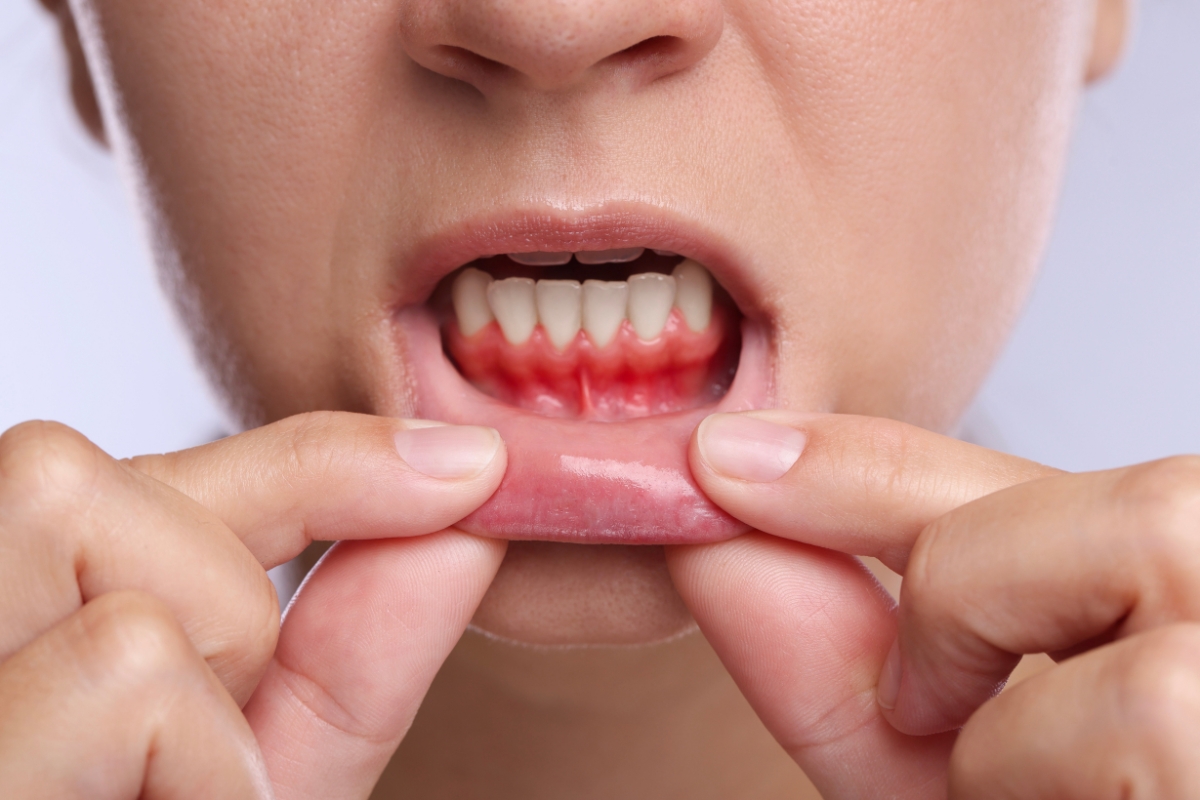
- Redness and swelling.
- Bleeding during brushing or flossing.
- Changes in saliva production.
- Alterations in the body’s inflammatory response.
The American Academy of Periodontology explains that hormonal fluctuations can make gum tissues more sensitive to plaque and other irritants.
However, hormonal changes do not automatically cause gum disease. Plaque accumulation, tobacco use, diabetes, genetics, and other health factors also influence periodontal health.
1. Menstrual Cycle Changes Can Cause Temporary Gum Inflammation
Some adults notice that their gums become more sensitive or bleed more easily in the days before menstruation.
This can happen because estrogen and progesterone levels fluctuate throughout the menstrual cycle. Changes in progesterone may increase blood flow and alter the inflammatory response in gum tissues.
A condition known as menstrual gingivitis can cause:
- Red or swollen gums.
- Bleeding during brushing.
- Gum tenderness.
- Increased sensitivity.
- Occasional mouth sores.
These symptoms may become noticeable shortly before a menstrual period and improve as hormone levels change.
The U.S. Office on Women’s Health explains that hormonal fluctuations around ovulation and before menstruation may contribute to swollen or bleeding gums.
Office on Women’s Health
If you experience recurring gum irritation around your menstrual cycle, maintain consistent oral hygiene. However, repeated bleeding should not automatically be dismissed as hormonal.
Persistent symptoms may indicate gingivitis or another periodontal concern that requires professional evaluation.
2. Pregnancy Can Increase the Risk of Gingivitis
Pregnancy is one of the most significant periods of hormonal change in adult life.
During pregnancy, estrogen and progesterone levels increase substantially. These changes can make gum tissue more responsive to plaque bacteria, causing inflammation.
Pregnancy gingivitis may cause:
- Swollen or puffy gums.
- Redness along the gumline.
- Bleeding while brushing or flossing.
- Gum tenderness.
- Increased sensitivity around certain teeth.
Some pregnant patients also develop a localized gum growth called a pregnancy tumor, or pyogenic granuloma. Despite its name, this growth is generally noncancerous and is associated with an exaggerated inflammatory response.
According to the American Dental Association, pregnancy-related hormonal changes can exaggerate the gum tissue’s response to bacteria, increasing the likelihood of gingivitis.
A report discussed by the American Dental Association notes that up to 75% of pregnant patients may experience gingivitis, although estimates vary across populations and studies.
The U.S. Office on Women’s Health also reports that pregnancy-related gum inflammation can be significant, with periodontitis affecting as many as two in five pregnant women in some research populations. This is not the same as saying two in five pregnant women develop gingivitis.
Office on Women’s Health
What can pregnant adults do?
- Brush twice daily with fluoride toothpaste.
- Clean between teeth every day.
- Schedule routine dental examinations.
- Inform the dentist about the pregnancy.
- Seek professional advice about persistent swelling or bleeding.
Dental examinations and necessary dental treatment can generally be provided safely during pregnancy. The ADA recommends that pregnant patients continue receiving appropriate dental care rather than postponing necessary treatment.
3. Menopause Can Affect Gum Tissue, Saliva, and Bone Health
Menopause brings a significant decline in estrogen levels, which can influence several aspects of oral health.
Some women experience noticeable changes in their mouths during perimenopause, menopause, and postmenopause.
These changes may include:
- Dry mouth.
- Burning sensations in the mouth.
- Altered taste perception.
- Increased tooth sensitivity.
- Gum recession.
- Greater susceptibility to gum inflammation.
Estrogen also helps maintain bone metabolism. As estrogen levels decline, bone density may change throughout the body, including the jawbone.
The American Dental Association’s MouthHealthy resource explains that menopause-related hormonal changes may contribute to dry mouth and bone-density concerns that can affect oral health.
Dry mouth deserves particular attention because saliva helps wash away food particles, neutralize acids, and protect teeth against cavity-causing bacteria.
When saliva production decreases, the risk of tooth decay and oral discomfort may increase.
How can you manage menopausal oral health changes?
- Drink water regularly throughout the day.
- Ask your dentist about dry-mouth products.
- Use fluoride toothpaste.
- Avoid excessive caffeine and tobacco.
- Maintain regular dental examinations.
- Discuss persistent burning sensations or taste changes with your healthcare provider.
Menopause does not mean gum disease is inevitable. Preventive care and early evaluation can help address these changes.
4. Hormonal Birth Control May Influence Gum Sensitivity
Some adults use hormonal contraceptives, including birth control pills, injections, vaginal rings, and hormonal implants.
These medications can affect estrogen and progesterone activity, potentially changing how gum tissue responds to plaque.
Some patients may notice:
- Increased gum tenderness.
- Mild swelling.
- Redness around the gumline.
- Bleeding during brushing.
- Greater sensitivity to plaque accumulation.
The American Academy of Periodontology identifies hormonal contraceptive use as a factor that may influence gingival inflammation.
However, not everyone using hormonal birth control experiences these symptoms. Individual responses depend on the medication, dosage, oral hygiene habits, and other health factors.
If you notice changes in your gums after starting hormonal contraception, tell your dentist. You should not discontinue prescribed birth control without discussing it with your prescribing healthcare professional.
5. Hormonal Changes Can Contribute to Dry Mouth
Saliva is essential for maintaining a healthy oral environment. It helps control bacteria, neutralize acids, lubricate oral tissues, and support the natural remineralization of tooth enamel.
Hormonal changes, particularly during menopause, may contribute to dry-mouth symptoms. Certain medications and underlying medical conditions can also reduce saliva production.
Signs of dry mouth include:
- A sticky or dry feeling in the mouth.
- Difficulty swallowing dry foods.
- Frequent thirst.
- Cracked lips.
- Bad breath.
- Increased tooth sensitivity.
- A burning sensation on the tongue or gums.
When the mouth stays dry, bacteria and plaque may become harder to manage. This can increase the risk of cavities and contribute to oral discomfort.
The ADA explains that reduced saliva during menopause can increase susceptibility to dental problems.
If you regularly experience dry mouth, talk to your dentist. Reviewing your medications and medical history may help identify the underlying cause.
6. Hormonal Changes and Their Relationship With Periodontal Disease
Gum inflammation does not always remain limited to the surface tissue.
When plaque accumulates along and below the gumline, gingivitis may develop. If left untreated, it can progress to periodontitis, which damages the supporting tissues and bone around the teeth.
Hormonal fluctuations may influence the inflammatory response, but they are only one part of a much larger picture.
Other important risk factors include:
- Poor oral hygiene.
- Smoking or tobacco use.
- Diabetes.
- Genetic susceptibility.
- Certain medications.
- A history of periodontal disease.
The CDC reports that approximately 42% of U.S. adults aged 30 and older had some form of periodontitis, based on national examination data from 2009–2014. Approximately 8% had severe periodontitis.
These figures demonstrate why gum health deserves attention throughout adulthood.
Recognizing hormonal changes can help explain certain symptoms, but professional dental examinations remain essential for identifying and treating periodontal disease in Winchester.
What Are the Warning Signs of Hormone-Related Gum Problems?
Hormonal changes may contribute to gum sensitivity, but it is important to recognize symptoms that could indicate an underlying dental condition.
Watch for the following warning signs:
| Symptom | Possible explanation |
| Bleeding during brushing | Gingivitis or gum inflammation |
| Red, swollen gums | Increased inflammatory response |
| Persistent bad breath | Plaque accumulation or periodontal disease |
| Gum recession | Periodontal tissue changes |
| Dry mouth | Hormonal changes or medication effects |
| Loose teeth | Possible advanced periodontal damage |
| Burning sensations | Oral dryness or menopausal oral changes |
Occasional gum sensitivity may improve as hormone levels fluctuate. However, persistent bleeding, swelling, pain, or gum recession should be evaluated by a dentist.
If you notice loose teeth, pus, or significant gum discomfort, schedule a dental examination promptly.
How Can Adults Protect Their Gum Health During Hormonal Changes?
You cannot always control hormonal fluctuations, but you can take practical steps to reduce plaque accumulation and protect your gums.
Here are seven habits that can support better oral health.
1. Brush twice daily
Use a soft-bristled toothbrush and fluoride toothpaste. Brush gently along the gumline to remove plaque without irritating sensitive tissues.
2. Floss every day
Flossing removes plaque and food particles from areas that toothbrush bristles cannot reach. If traditional floss is difficult to use, ask your dentist about interdental brushes or water flossers.
3. Schedule regular dental cleanings
Professional cleanings help remove hardened plaque, known as tartar, that cannot be eliminated through ordinary brushing.
4. Drink enough water
Staying hydrated can help relieve some dry mouth symptoms. Sugar-free gum may also stimulate saliva production.
5. Avoid tobacco products
Smoking can increase periodontal disease risk and interfere with gum healing.
6. Maintain a balanced diet
Include nutrient-rich foods containing calcium, vitamin D, and other essential nutrients that support healthy teeth and bones.
7. Discuss hormonal and medication changes
Inform your dentist if you are pregnant, experiencing menopause, taking hormonal contraception, or undergoing hormone-related treatment.
The National Institute of Dental and Craniofacial Research recommends brushing twice daily, cleaning between teeth, and avoiding tobacco to help prevent gum disease.
When Should You Visit a Dentist in Winchester, VA?
Don’t assume bleeding or swollen gums are simply a normal consequence of hormonal changes.
Professional evaluation is particularly important if you experience:
- Gum bleeding that continues or frequently returns.
- Swelling that does not improve.
- Persistent bad breath.
- Gum recession or exposed tooth roots.
- Pain while chewing.
- Loose or shifting teeth.
- Dry mouth that interferes with everyday activities.
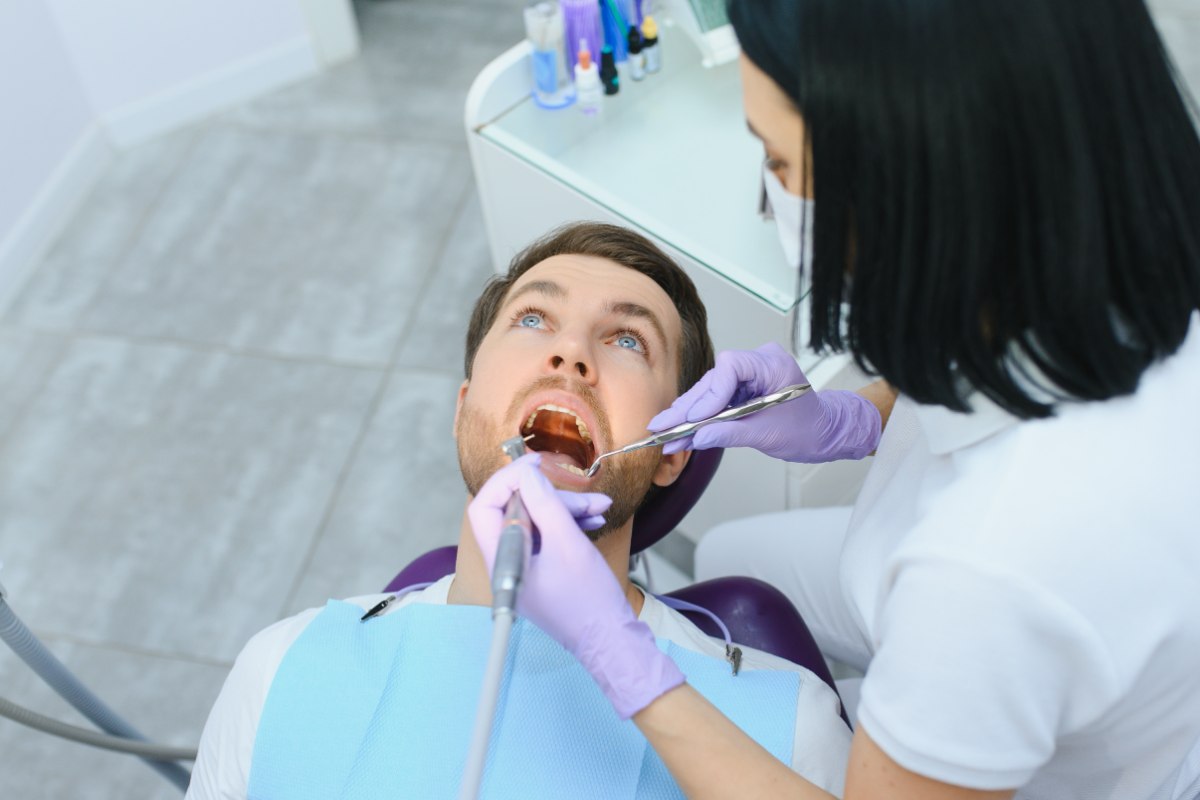
At Shenandoah Family Dentistry – Winchester, Dr. Jared Pell can evaluate your gum health, review your dental history, and identify potential causes of inflammation.
Depending on your symptoms, your dental evaluation may include an gumline exam, periodontal measurements, and dental X-rays when clinically appropriate.
If hormonal changes, medications, or an underlying medical condition may be contributing to your symptoms, sharing that information can help guide your dental care.
Conclusion
Hormonal changes can influence gum health throughout adulthood. Fluctuations in estrogen and progesterone during menstruation, pregnancy, and menopause may increase gum sensitivity, contribute to inflammation, and affect saliva production.
Although these changes do not automatically cause gum disease, they can make existing plaque-related problems more noticeable. Persistent bleeding, swelling, gum recession, and dry mouth should not be ignored.
Consistent oral hygiene, regular dental cleanings, and discussing hormonal or medication-related changes with your dentist can help protect your gums.
At Shenandoah Family Dentistry – Winchester, Dr. Jared Pell understands that oral health needs can change throughout adulthood. Regular dental examinations and personalized preventive care can help identify gum problems early and support long-term oral health.
Visit our dental practice in Winchester, VA. Book now to schedule your appointment with our team and take an important step toward healthier gums.
Frequently Asked Questions
1. Does Shenandoah Family Dentistry – Winchester provide preventive dental care?
Our dentist can evaluate your teeth and gums, recommend professional cleanings, and discuss preventive treatments based on your oral health and individual risk factors.
2. How can I schedule an appointment at Shenandoah Family Dentistry – Winchester?
Contact our dental practice in Winchester, VA, to request an appointment. Our dentist can discuss your dental concerns and help you determine the appropriate next steps.
3. How often should I visit Shenandoah Family Dentistry – Winchester for dental checkups?
Our dentist can recommend a schedule based on your gum health, medical history, and risk of dental problems. Many patients benefit from examinations every six months, while others may need more frequent visits.
4. What should I do if my gums bleed when I brush my teeth?
Our dentist can examine your gums to identify possible causes, including plaque buildup, gingivitis, or other periodontal conditions. Persistent bleeding should not be ignored, even if it is painless.
5. Can regular dental visits help prevent gum disease?
Yes. Our dentist can identify early signs of gum inflammation, remove hardened plaque through professional cleaning, and recommend appropriate oral hygiene practices to help reduce the risk of periodontal disease.